Reviews
Part of Judging historic home materials: four properties that decide every repair
Which historic material choices actually pay off in daily life?
Which material decisions repay the effort in daily life, from hard-wearing floors and solid doors to the outbuilding features owners quietly rely on.
What to take away
- The materials that pay off daily are the hard-wearing ones you walk on, open and close, and stand under in the rain.
- Solid original doors, both house doors and outbuilding doors, outperform almost everything sold to replace them.
- Terrazzo, quarry tile and hard-wearing stone floors are worth restoring rather than covering. They outlast anything you would put on top.
- Rainwater goods are the least glamorous material decision in the house and the one that protects everything else.
Material value is not about rarity. It is about how often you touch the thing and how badly it behaves when it fails. Judged that way, the ranking in an old house looks nothing like the ranking in a design magazine, and it is considerably cheaper to act on.
Floors that outlive the owners
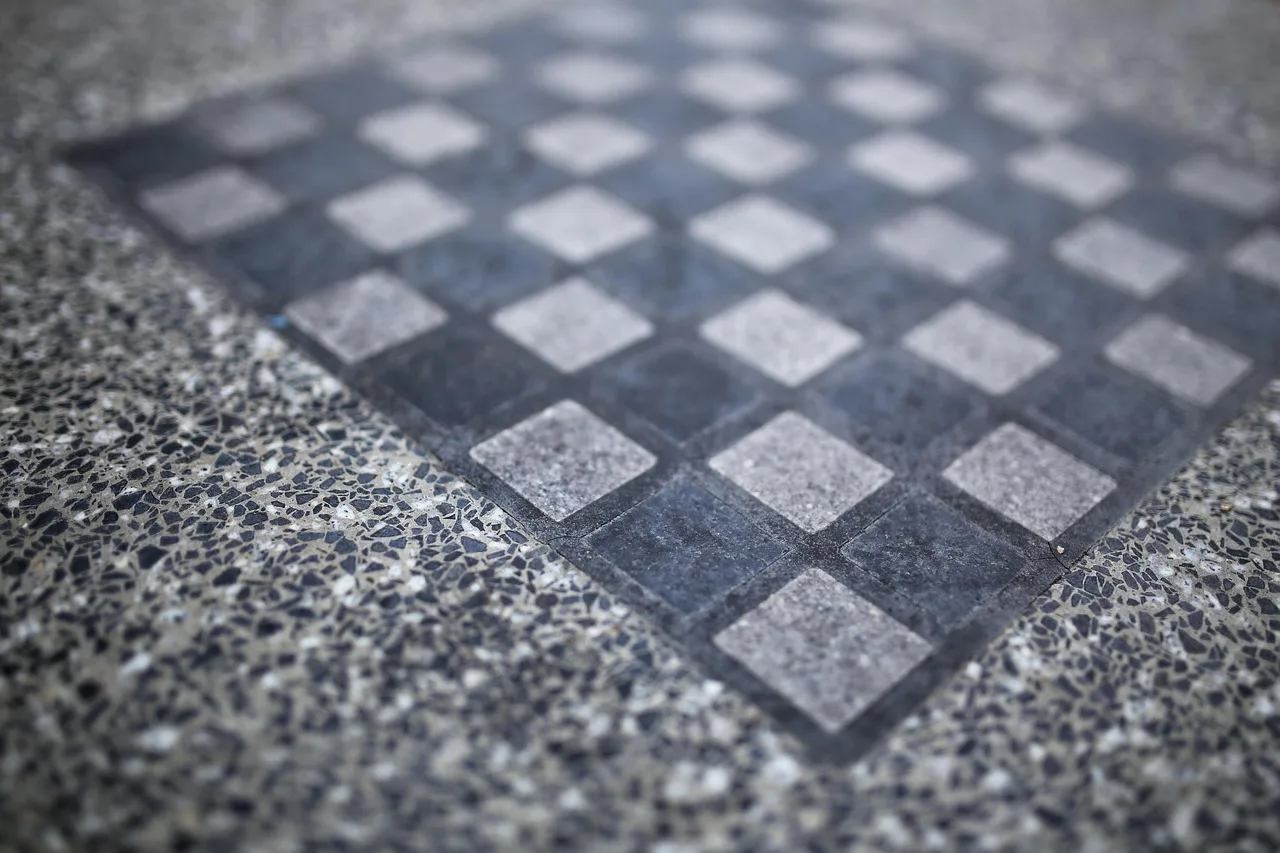
Terrazzo, quarry tile, encaustic tile and thick stone flags in porches, halls, kitchens and basements are frequently in better condition than anyone assumes under a layer of vinyl or carpet. They are repairable, they do not wear out, and restoring them costs less than a good new floor.
Terrazzo in particular responds well to proper restoration, and the federal buildings service publishes a full procedure for terrazzo repair covering patching, grinding and finishing. Before covering a hard floor, lift a corner and look.
Doors, including the ones on the garage
House doors get the attention. Outbuilding doors rarely do, and they are often the largest single element on a garage, carriage house or barn elevation. They are also usually repairable when a replacement would be a stock overhead unit that changes the building completely.
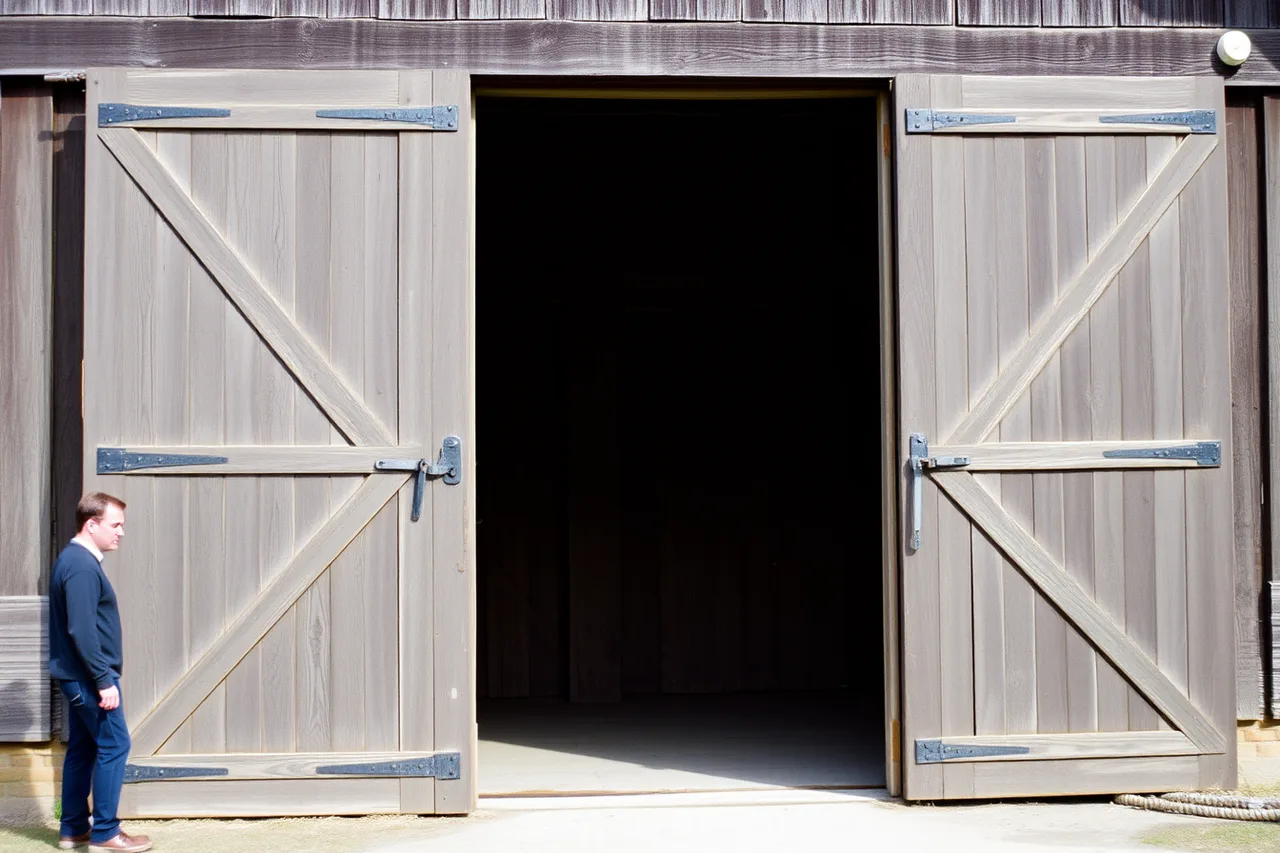
The Park Service tech note on rehabilitating historic garage and carriage doors documents three projects where large utilitarian doors were reused instead of replaced. It also notes the door design and the opening are often significant.
A door that size is a strong candidate for shop work, since a door can travel to a craftsman a long way away.
Ranked by how often you notice
Material decision / Daily payback
- Rainwater goods sized and pitched correctly
- Very high, protects everything
- Solid original doors, repaired and adjusted
- Very high
- Hard floors restored rather than covered
- High
- Original hardware repaired and lubricated
- High
- Sound porch decking and steps
- High
- Matching mortar in a repointed wall
- Medium, shows over decades
- Replicated decorative ornament
- Low
Notice how far down the decorative row sits. That is not a judgment about beauty; it is a judgment about frequency. You use a door handle several thousand times a year and look at a cornice deliberately perhaps twice.
Rainwater goods deserve their own paragraph
Gutters, downspouts, leader heads and the ground detail below them decide how much water reaches the building. They are almost always the cheapest intervention available on any given day. Undersized gutters, a downspout discharging at the foundation, and a leaking joint above a window cause more damage over a decade than any other single material failure.
Rainwater is also the one lever that still works on damage you cannot undo, because eroded brick that stays dry lasts far longer than eroded brick soaked every winter. Spend here first, in a material that can be repaired rather than replaced. Nothing else on the list protects as much for as little.
The identification framework behind these choices is in what to look for when reviewing historic materials, and the same value ranking applied to interiors is in which period interior upgrades add everyday value.