Reviews
Judging historic home materials: four properties that decide every repair
How to record what each part of an old house is made of, judge materials by hardness, permeability, movement and repairability, and keep later changes that matter.
What to take away
- Identify before you judge. A material you cannot name is a material you cannot match or maintain.
- Later material is not automatically expendable. Changes that acquired significance in their own right are meant to be kept.
- Judge a material by four propertieshardness, permeability, movement and repairability.
- Write down what you find. A material inventory is the document that makes every later repair cheaper.
Most bad material decisions start with a misidentification. Somebody calls a lime-plastered wall drywall, or a soft handmade brick a modern one, and everything after that is wrong. The repair is specified for the wrong substrate, priced for the wrong labor and warranted against the wrong failure.
Build a material inventory
Go around the house and record, for each element, what it appears to be made of, roughly when it dates from, and its condition. Roofing, siding, windows, doors, trim, floors, walls, ceilings, hardware, foundation, chimneys, porch.
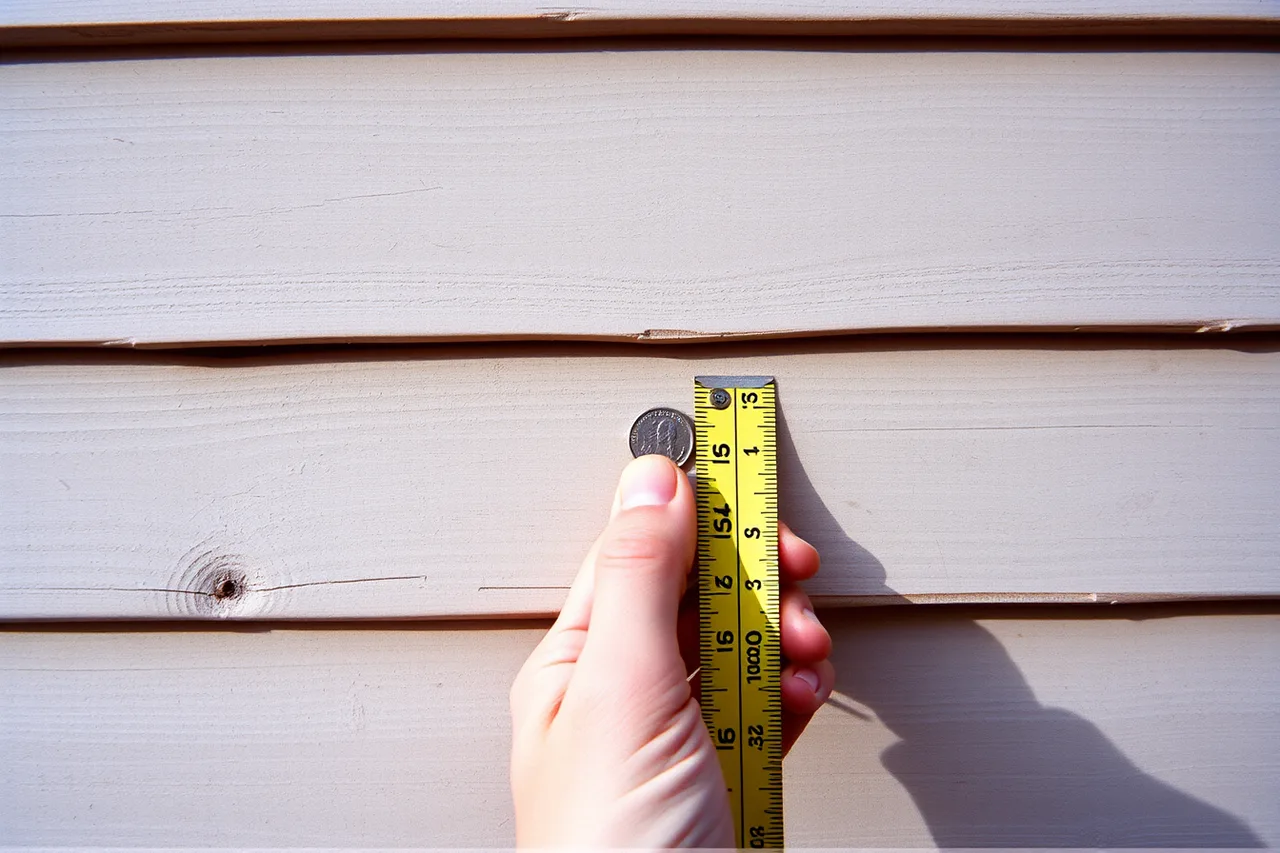
- Photograph a close-up of each material with something for scale.
- Note joint types, tool marks, fastener types and any maker's marks.
- Record where you have found evidence of a different earlier material underneath.
- Mark anything you cannot identify with a question mark rather than a guess.
That last habit is the important one. An honest question mark gets answered by a specialist in five minutes; a confident wrong label survives for years.
Later is not the same as expendable
Owners often assume anything not original is fair game, but federal practice says otherwise. Standard 4 of the Standards for Rehabilitation says changes that acquire significance in their own right should be retained.
The Park Service explains in its guidance on acquired significance and Standard 4 that materials, features, and spaces need not be original to be historic and character-defining.
It also makes the reverse point. A change is not significant merely because it is more than fifty years old. Age alone is not the test, which means the judgment has to be made element by element. Working through it that way is one of the first jobs in a house somebody else has already worked on.
Four properties that decide every repair
| Property | Why it matters |
|---|---|
| Hardness | A harder repair damages a softer original |
| Permeability | Old assemblies rely on drying, and coatings interrupt it |
| Movement | Materials expand and contract at different rates |
| Repairability | Can this be fixed in place, or only replaced entirely |
Ask those four questions about any proposed replacement or coating. Most bad products fail at least two of them, and the failures are predictable enough that you can often see them coming from the sales sheet alone.
Learn how professionals write it down
Reading a good written description trains your eye faster than anything else. The National Register publishes sample nominations addressing architectural significance, which are essentially long, careful descriptions of buildings by people trained to look at them.
Reading two or three teaches the vocabulary you need to ask a contractor a precise question. Looking at finished work does the same job from the other direction, and training your eye on real buildings before a site visit is what lets you judge a repair when you see one.
The cost side of these choices is covered in restoration materials compared for cost and upkeep, and the treatment framework that governs them is in the four treatments compared.
Common questions
How do I date a material without an expert?
Is old material always better?
Should I remove non-original material?
Who can identify a mortar or plaster?
In this guide
- Which historic material choices actually pay off in daily life?Which material decisions repay the effort in daily life, from hard-wearing floors and solid doors to the outbuilding features owners quietly rely on.
- Historic Home Materials Maintenance by SeasonA historic home materials maintenance routine by season, with masonry, metal and wood checks, repair priorities, coating care, and safe-cleaning guidance.
- Historic home materials by region: what survives whereA practical look at historic home materials by region: what local climates punish, which materials fail where, and how solar and green roofs fit an old house.
- A 2027 review of historic material products worth testingA 2027 review of eight historic material products worth testing on old houses, covering what each item is and why it earns a trial before you buy.
- Historic building materials: five lessons restoration crews keep learningFive lessons about old-house materials: learn from other building types, match softness, source early, keep offcuts, and record what you cannot identify.