Reviews
Part of Judging historic home materials: four properties that decide every repair
A 2027 review of historic material products worth testing
A 2027 review of eight historic material products worth testing on old houses, covering what each item is and why it earns a trial before you buy.
What to take away
- Eight historic material products earn a trial on old houses. Five are paints, mortars or consolidants: Heritage Natural Linseed Paint, Keim Soldalit, Abatron LiquidWood with WoodEpox, Jahn M30, and Cathedral Stone's Jahn mortar.
- Three more are cleaning, sealing or hardware itemsProsoco Sure Klean Limestone and Masonry Prewash, Quattro Seal, and sash weights and pulleys from House of Antique Hardware.
- Each one is reversible or repairable. That test matters more than any claim on the tin.
- Trial the worst-exposed elevation, then wait a full winter and a full summer before you judge.
- Ask what the product bonds to, what it must never go over, and how it comes off.
- Prices here are typical US ranges as of 2026. Confirm with the supplier before you order.
Eight products worth a trial
Heritage Natural Linseed Paint is linseed oil paint with no plastic binder, sold by the liter direct and through preservation suppliers. The film flexes with softwood sash, doors and siding instead of sitting on the surface as a skin. It cures by oxidation, so coats go on days apart and cold weather stalls it. Typically $30 to $50 a liter.
Keim Soldalit is a mineral silicate paint for masonry and render, made by Keim of Germany, a firm mixing mineral paints since 1878. It bonds chemically to the substrate and stays vapor-open, which is what a solid wall needs. Keim sells it with a separate Fixativ hardener for some substrates. Typically $20 to $35 a kilo.
Abatron LiquidWood and WoodEpox are a two-part epoxy consolidant and a moldable epoxy paste from Abatron in Kenosha, Wisconsin, sold direct. LiquidWood soaks into rotted sill ends and sash corners and hardens the fibers. WoodEpox rebuilds the missing profile, and both sand, drill and take paint.
Kits typically run $40 to $80. The pair is hard to reverse, so use it where the alternative is replacement.
Jahn M30 is a mineral restoration mortar for repointing and crack repair in lime and soft brick. It sets to a hardness close to the original masonry, something portland cement will not do. It ships as a dry mix in 55-pound bags through masonry suppliers, typically $70 to $120 a bag.
Cathedral Stone Jahn mortar is the North American route to the same family of restoration mortars. Cathedral Stone Products of Hanover, Maryland distributes Jahn in the US and publishes compressive strength data for each mix. That lets you compare a candidate against mortar taken from your own wall instead of guessing.
Prosoco Sure Klean Limestone and Masonry Prewash is a pre-treatment applied before cleaning so the cleaner lifts soiling instead of driving salts into the stone. It is a step, not a finish, and it rinses off with the cleaning process. Prosoco sells it by the gallon and in five-gallon pails, typically $40 to $70 a gallon.
Quattro Seal is a breathable water repellent for masonry, usually a silane or siloxane blend sold by the gallon. Expect roughly $50 to $90 a gallon.
It is here with a warning. Repellents are sold as protection and are the category most often harmful, because they trap moisture that then has nowhere to go. Test a hidden patch first, and skip any wall that stays damp.
Sash weights and pulleys from House of Antique Hardware are not glamorous, but a restored sash that will not stay up is a failed restoration. House of Antique Hardware stocks cast-iron sash weights and cast-bronze pulleys, sold by the pair and individually. Expect a few dollars to about $25 a piece.
How to run a trial
- Pick the worst-exposed elevation, not the easiest one to reach.
- Prepare the surface exactly as the whole job would be prepared.
- Apply per the manufacturer's written schedule, and record temperature, humidity and date.
- Leave it through one full winter and one full summer.
- Photograph at installation, at three months and at one year.
- Write down the result, including the parts that disappointed you.
A note saying the finish chalked on the south face in year one saves you a whole elevation next time.
Which elevation is worst depends on the region as much as the orientation, since freeze-thaw and humid heat punish materials in opposite ways.
What the federal field reports show
For decades the National Park Service published field reports on specific products applied to real historic buildings. A tech note on storm windows with a magnetic seal documents a product type installed on a named building, how it was fitted and how it performed.
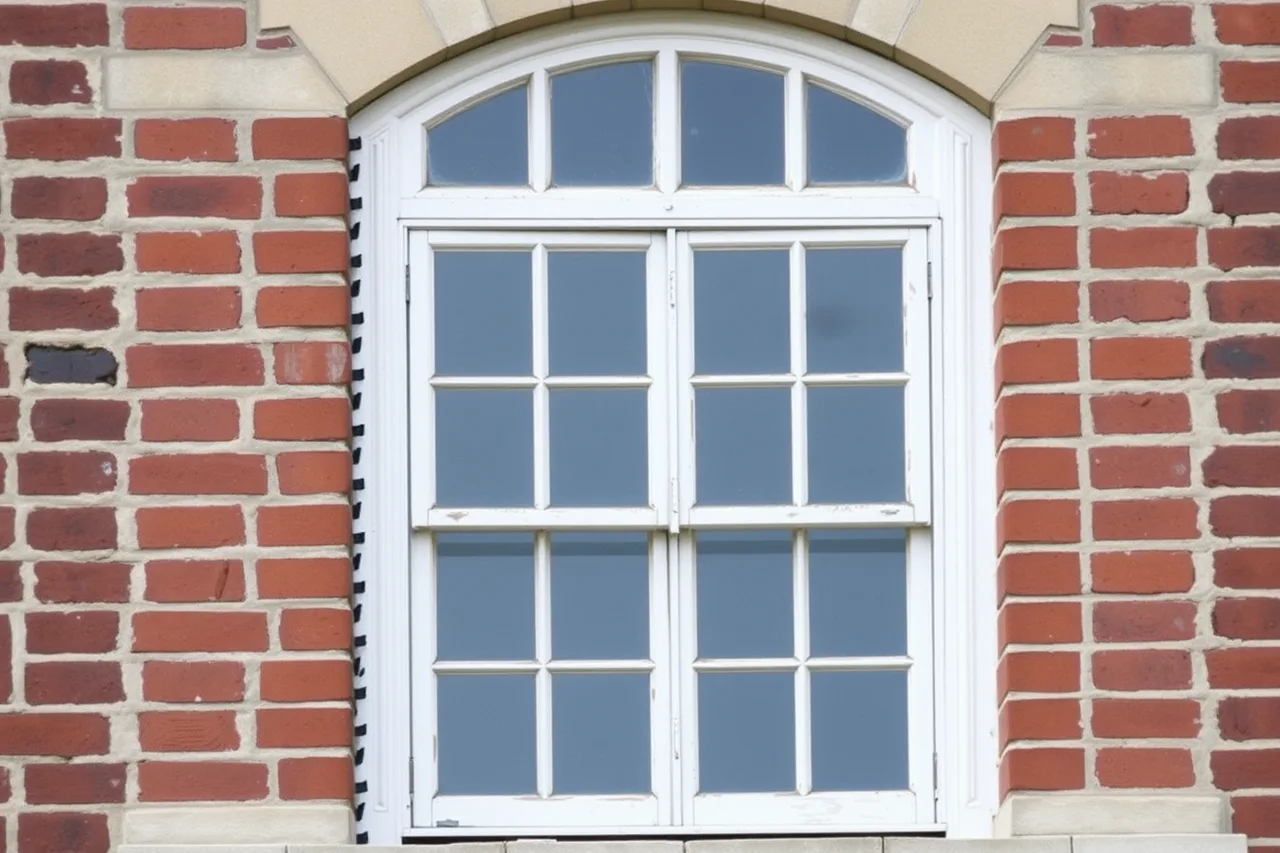
A second, on replacement wood sash, records how a replacement was specified and matched when the original could not be saved.
That pattern is the point: a named building, a defined problem, a described installation, a reported outcome. That is what a product claim should look like. Water repellents and consolidants are the two categories where a bad choice is hardest to undo, and they run through the methods that actually damage old houses.
Questions worth asking a supplier
Ask what the product is designed to bond to. Ask what it must never go over, what happens at the end of its life, and how it is removed. Ask for a documented installation on a building of similar age.
The identification work before this is in what to look for when reviewing historic materials, and the same testing discipline applied to plaster is in plaster repair products worth testing.
Common questions
Are these the only products worth testing?
No. They are the ones with a published formulation, a stated substrate and a track record on old buildings. If a product cannot tell you what it bonds to, that is your answer.
Is a manufacturer's warranty evidence?
It is a commercial promise, not a performance record. Read what it excludes before you read what it covers.
How long is a fair test?
A full year for exterior work. Anything shorter misses the season that causes failures.
What if I cannot wait a year?
Then test on the smallest area you can live with, and treat the result as provisional. Publish your notes either way, because the next owner of the house will want them.