Reviews
Part of Twenty period interior ideas for an old house, sorted by how much change they require
Which period interior upgrades you notice every day, and which you stop noticing
A ranking of period interior upgrades by daily use: floors, doors, storage, lighting, acoustics and plaster, plus the decorative work you stop noticing.
What to take away
- Floors, doors and storage change daily life more than any decorative scheme does.
- Repairing an original floor almost always costs less over time than replacing it, because there is only so much thickness to sand.
- Deteriorated does not mean lost. Historic character survives a lot of wear, and repair is the default.
- Sound and light are the two comforts old houses lack most, and both can be improved without removing original fabric.
Some interior work you notice every day. Some you notice for a week and then stop seeing. The difference is worth knowing before the money is committed.
Floors, and how not to lose them
An original wood floor is a finite resource, and every full sanding removes material. A floor sanded three times has little left above the tongue.
Spot repair, dutchman patches and a light screen-and-recoat extend it far longer than a fresh drum sanding. The finish you recoat with matters, since some floor finishes cannot be refreshed without sanding back to bare wood.
Where boards genuinely cannot be saved, the Park Service guidance on historic wood flooring and substitute flooring materials treats substitution carefully.
It is realistic about when replacement fits and what a matching replacement must achieve: species, width, thickness and finish.
Deteriorated is not the same as gone
Owners overestimate how much damage destroys character. Federal practice disagrees: deterioration generally does not readily erase character, and deteriorated interior features should normally be kept and repaired, not removed.
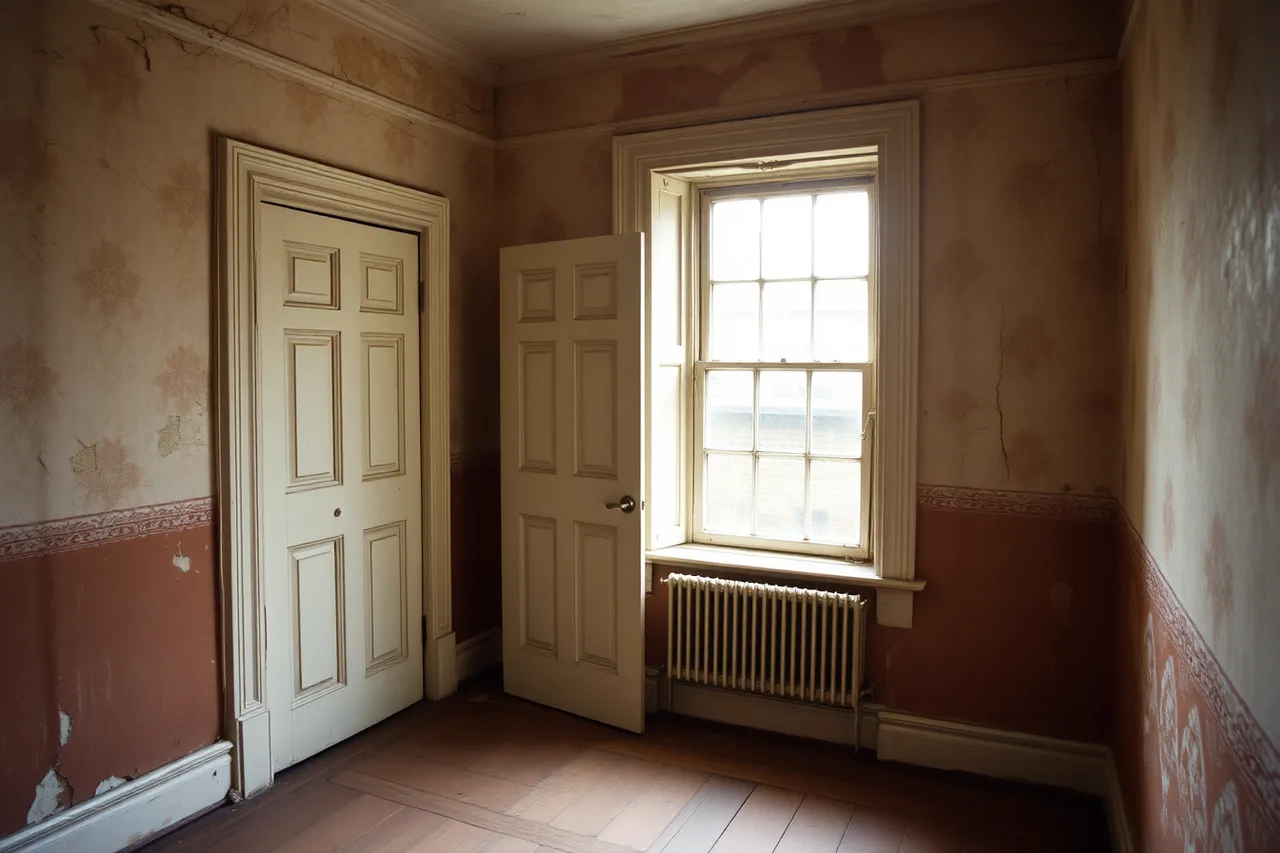
The Park Service gives that reasoning in its guidance on interior features in highly deteriorated condition. It is the single most useful argument to have ready when a contractor suggests stripping a room to the studs.
Ranked by daily payback
| Upgrade | Daily payback | Cost to the building |
|---|---|---|
| Repaired and re-hung original doors that latch properly | High | None |
| Storage built into existing alcoves | High | Low, reversible |
| Task and layered lighting | High | Low if wiring routes exist |
| Floor repair and refinish | High | Low if done sparingly |
| Draft sealing at doors and floors | High | None |
| Restored plaster surfaces | Medium | None |
| Reproduction wallpaper | Low | None |
| Reinstated decorative cornice | Low | None |
The table is deliberately unromantic. Wallpaper and cornices are not worthless, but they are things you appreciate on the day they go up and stop noticing by the following spring. A door that closes properly is noticed every time it is used, for as long as you own the house.
Comfort you can add without loss
- Acoustic improvementrugs, curtains, upholstered furniture and closed doors do more than any structural change.
- Thermal comfortseal gaps at baseboards, floor penetrations and attic hatches before touching walls.
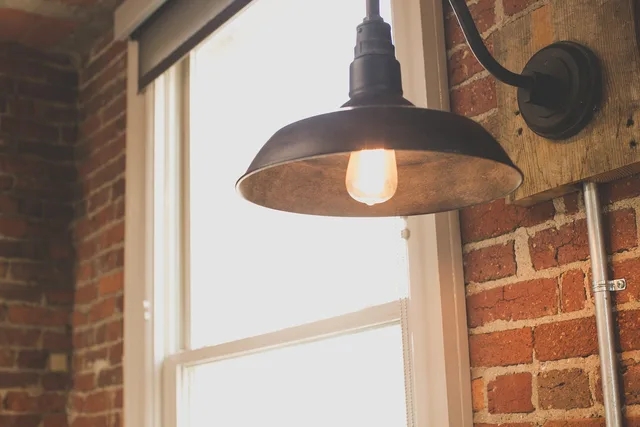
- Lightclean and repair sash, restore transoms, and add lamps rather than recessed cans.
- Functionfix the small daily annoyances first, since a door that sticks is felt every day and a cornice is not.
Storage deserves its own line. Houses built before the middle of the twentieth century were designed around furniture, not closets. The shortage is the single most common complaint from people who otherwise love their old house.
Adding it well takes design attention that decorating projects usually absorb instead. Alcoves beside chimney breasts, the space under a half-turn stair, and the depth of a knee wall are the three places to look first.
The wider menu of options sits in our twenty period interior ideas, and the storage and layout tactics that suit a small plan are in small-space projects that work in an old house.