Maintenance
3 inspection seasons for prairie old houses in Calgary and Winnipeg
Plaster-wall repair in Calgary and Winnipeg starts with knowing how prairie temperature swings crack plaster and rot wood, and when to inspect.
What to take away
- Plaster-wall repair on prairie old houses in Calgary and Winnipeg is a seasonal job. Hairline cracks that open in a January cold snap often close by June, so inspect before you fill.
- Calgary's dry chinook freeze-thaw cycles punish exposed foundation walls and south and west wood trim. Winnipeg's expansive clay and spring melt push water at basements instead.
- Three inspection seasons matterlate winter for frost and interior cracks, spring melt for drainage and foundation movement, and early autumn before the next freeze.
- Crack direction tells you the cause. Diagonal cracks at window and door corners usually mean foundation movement. Map cracks across a ceiling usually mean plaster keys have failed.
- Wood decay in early-1900s homes concentrates where water sits: sill plates, porch posts, window sills and the bottom courses of siding.
- Heritage Calgary keeps the Inventory of Evaluated Historic Resources, and the City of Winnipeg lists historical resources under its own bylaw. Check both before you touch an exterior wall.
- Each season needs its own toolsa camera and ruler in late winter, a tape measure and level at spring melt, and a screwdriver and moisture meter in early autumn.
Why prairie temperature swings move foundations and plaster
Prairie temperature swings drive most of what you find in an early-1900s home. Calgary can swing from a mild chinook afternoon to a hard overnight freeze inside a day. Winnipeg sits farther from the mountains, so it gets fewer midwinter thaws but colder, longer freezes and a faster spring melt.
Soil holds water. When that water freezes, it expands and lifts whatever sits on it. When it thaws, the soil settles back, often not to exactly the same level.
Repeat that cycle for a century and a foundation wall moves by millimeters at a time. The house above it does not move as one piece, so something has to give.
Plaster cracking is usually the first visible result. Old lime plaster is stiff and brittle next to modern drywall. It barely flexes, so when a footing lifts or drops, the plaster tears along its weakest line. A crack near a window corner often has nothing to do with the window.
Foundation movement on the prairies is rarely one dramatic event. It is cumulative. A 1912 house in Calgary or Winnipeg may have gone through a hundred freeze-thaw cycles, several drought years and a few very wet ones. Each one leaves a small mark, and reading those marks is the whole skill.
The same logic explains exterior wood decay in early-1900s homes. Wood rots when it stays wet. Prairie air is dry, so wood dries fast in summer. Damage happens at the joints, where water enters and cannot escape: sill plates, porch bases, window sills and the ends of siding boards.
Prairie heritage context matters here too. The Saskatchewan government's heritage and culture programs show how the region treats early settlement buildings, and the same era of construction runs across the prairies into Alberta and Manitoba.
Calgary protects its own under the Alberta Historical Resources Act and through Heritage Calgary, which keeps the Inventory of Evaluated Historic Resources. Winnipeg works from the Manitoba Heritage Resources Act and its historical resources bylaw.
Calgary: what Inglewood and Ramsay homes show after a hard winter
Calgary old houses sit on a mix of glacial till, sandstone bedrock in places, and river valley sediments. The city's dry climate means less total moisture, but chinooks create repeated freeze-thaw events in the middle of winter. That combination is hard on foundations.
Walk the exterior in late February or early March. Look at the foundation wall where it meets the ground, especially on the south and west sides. Those faces take the most sun and the most rapid thaw, then refreeze overnight. Hairline step cracks in a concrete or stone foundation are common and often stable.
Step cracks that have widened since last year are the ones to watch. Measure them with a pencil mark and a date, or photograph them against a ruler. A crack that grows year over year points to ongoing movement, and that is a foundation problems question rather than a plaster question.
Inside, Calgary homes often show plaster cracking above radiators and along top floor ceilings. Attic heat and dry winter air shrink the wood framing, and the plaster moves with it. These cracks are usually cosmetic. The ones that matter run diagonally from the corners of window and door openings.
Exterior wood decay in early-1900s homes shows up on the sunny side first, which surprises owners. Sun bakes the paint, it checks and cracks, water gets behind it, and freeze-thaw opens the joint. South and west window sills, porch railings and the bottom board of siding are the usual suspects.
Sandstone-era buildings in Calgary have their own pattern. Most of that stone came from the Paskapoo formation. Soft sandstone absorbs water and spalls when it freezes. Repointing with the wrong hard mortar traps moisture and makes it worse. Match the mortar to the original in strength and permeability. Color alone is not enough.
Before you alter anything in Inglewood, Ramsay, Crescent Heights or Sunnyside, check the address against Heritage Calgary's Inventory of Evaluated Historic Resources. Calgary's Land Use Bylaw 1P2007 and the development permit process govern exterior changes, and provincial designation under the Alberta Historical Resources Act brings its own approvals.
Winnipeg: the same era, different soil and drainage story
Winnipeg old houses sit largely on expansive clay left by ancient Lake Agassiz, and that changes everything. Clay swells when wet and shrinks when dry. A Winnipeg foundation can rise in a wet spring and drop in a dry late summer, all in the same year.
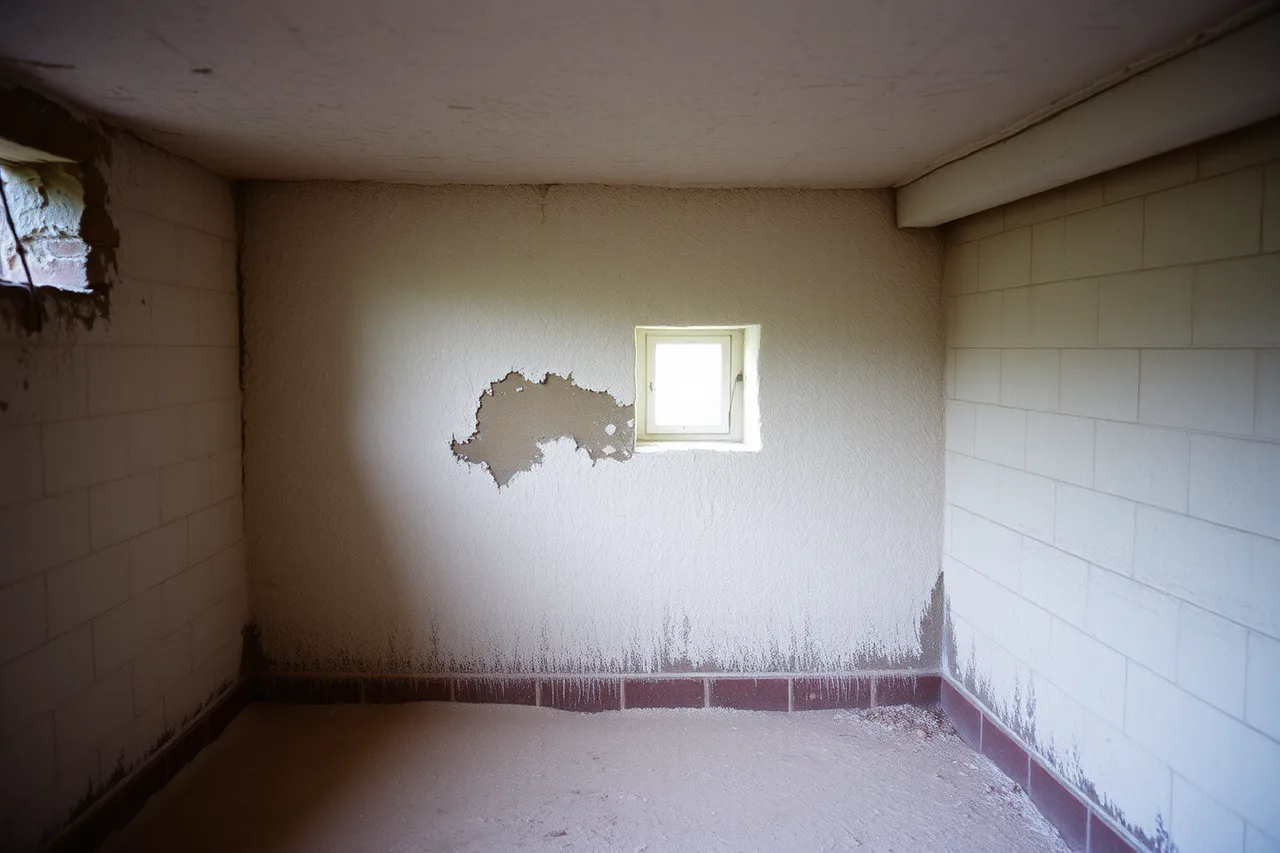
Winnipeg also gets deeper frost penetration than Calgary and a shorter, more intense melt. Water from snowmelt has nowhere to go quickly when the ground below is still frozen. It pools against foundations and finds the path of least resistance, often a basement wall or a floor drain.
Basement water in Winnipeg is therefore a bigger driver of damage than frost heave alone. Look for efflorescence, the white mineral powder on foundation walls. It means water has moved through the masonry and evaporated. It is a history of moisture, not necessarily a current leak, but it tells you where water has been.
Inside, Winnipeg plaster cracking often appears on main floor ceilings and around the tops of walls rather than only at openings. Clay movement is broader and slower than frost heave, so the cracks can be longer and more wandering. Map them before you repair anything.
Exterior wood decay in early-1900s homes in Winnipeg concentrates near the ground. High snow cover, spring splash and shaded north walls keep wood wet longer. Sill plates, the bottom of porch steps and the base of any wood siding within a foot of grade are the places to probe with a screwdriver.
The Exchange District, a national historic site, and mature neighborhoods such as Wolseley, West End, Crescentwood and St. Boniface hold many of these houses. A growing heritage-renovation community there means good local advice is available, but also that poorly done repairs from the 1980s are now failing. Assume any previous repair is worth checking.
Renovation and permit rules differ by province and municipality, so confirm what applies before you alter a structure or a heritage-designated property. Saskatchewan's housing, renting and development guidance is a useful regional reference for how prairie provinces frame renovation and permit questions.
In Winnipeg, exterior work on a listed building needs a heritage permit through the City of Winnipeg's historical resources process. Heritage Winnipeg, the local non-profit, publishes advice for owners. The grade of designation decides how much review your project gets.
Three inspection seasons and what each one reveals
Prairie houses give up different information at different times of year. Inspecting in the same three windows each year turns guesswork into a record.
Late winter: frost and interior cracks
Go out in February or early March, before the thaw. This is when frost heave is at its maximum and interior plaster cracks are at their widest. Photograph every crack you can see, with something for scale.
- Photograph every interior crack with a ruler or a coin in frame, and put the date in the file name.
- Mark the widest point of each crack with a pencil line and the date, so next winter's measurement means something.
- Check basement walls for new cracks and for frost on the interior face.
- Open and close every window and exterior door. If a window sticks in late winter and frees in June, the frame is moving with the foundation.
- Look at the joint where the basement wall meets the floor for new gaps, and at the floor slab for fresh cracks.
- Note the outdoor temperature and whether a chinook passed through that week.
Frost drives deeper in Winnipeg than in Calgary, where design depths are commonly taken as about 2.4 meters and 1.5 meters respectively. A midwinter chinook can open a Calgary crack and close it again within a week, so write down the date you saw it.
A camera, a tape measure and a six-inch torpedo level cover most of this visit.
Spring melt: drainage and foundation movement
Late March to May is the water season. Walk the perimeter during and after rain or melt. Watch where water ponds, which downspouts discharge too close to the wall, and whether the ground slopes away from the house.
- Walk the full perimeter during melt, then again within a day of heavy rain.
- Photograph every ponding spot, then check the same spot two days later to see how long water sits there.
- Measure the gap between each downspout outlet and the foundation. Most guidance calls for discharge at least 1.5 to 2 meters out, onto ground that falls away from the wall.
- Check the grade. Typical advice is about 15 centimeters of fall over the first 1.5 meters of ground, with no soil piled above the siding or the sill.
- Look at the basement wall after the melt for efflorescence, damp patches and new cracking.
- Test the sump pit and backwater valve, and clear the floor drain and window wells.
This is also when you can see foundation movement most clearly. Compare your winter photos with what you see now. Cracks that closed are seasonal. Cracks that stayed open or grew are structural candidates.
Both cities keep roof water out of the sanitary sewer, so confirm where your downspouts discharge. Winnipeg runs a basement flooding protection subsidy for sump pits and backwater valves, and the current amount is worth checking with the city before you book the work.
Sump pit and backwater valve installations typically run about $1,500 to $3,500 in most prairie markets before any rebate. Access, pipe runs and whether the basement floor has to be opened drive the number.
Early autumn: exterior wood and preparation
September and early October, before the first hard freeze, is the time for exterior wood decay checks. Wood is at its driest, so rot is easier to feel and moisture readings are more meaningful.
- Probe the sill plate, window sills, porch post bases and the bottom course of siding with a flat screwdriver, at three points per wall.
- Take moisture readings with a pin-type meter. Protimeter and Tramex meters are common choices for building surveys, and a reading above roughly 20 percent on a wood scale means that wood has been wet.
- Check caulk joints at windows, doors and corners, and note any that have pulled away from the frame.
- Look at flashing at roof-to-wall, chimney and window heads, where hidden decay usually starts.
- Confirm the ground slopes away from the foundation and that downspouts discharge clear.
- Write the repair list the same week. Paint, caulk and grading need dry weather to cure before winter.
This is also the season to act. Paint, caulk, flashing repairs and grading work all need a few weeks of dry weather to cure before winter. What you fix in September is what survives January.
Calgary's first hard freeze typically arrives in late September, and Winnipeg's follows close behind. Book the exterior walk before the ground hardens.
Best for
- Late winter
- Frost heave, interior plaster cracking
- Spring melt
- Drainage, foundation movement
- Early autumn
- Exterior wood decay
- After any unusual event
- Storm, rapid thaw, sewer backup
Watch for
- Late winter
- Widened cracks, sticking doors, frost on basement walls
- Spring melt
- Ponding, blocked weeping tile, efflorescence
- Early autumn
- Soft sills, failed caulk, exposed end grain
- After any unusual event
- New cracks, damp patches, fresh efflorescence
Plaster cracking patterns that point to foundation movement
Not every crack means the foundation is moving. Plaster cracking has a vocabulary, and learning four patterns will save you money and worry.
Diagonal cracks that run from the corner of a window or door opening toward the ceiling are the classic sign of foundation movement. They follow the path of stress in the wall. If the crack is wider at one end than the other, note which end, because that points to the direction of movement.
Horizontal cracks near the top of a basement wall are more serious than vertical ones. They suggest lateral pressure from soil or water pushing inward. This is a structural engineer's question, not a plasterer's.
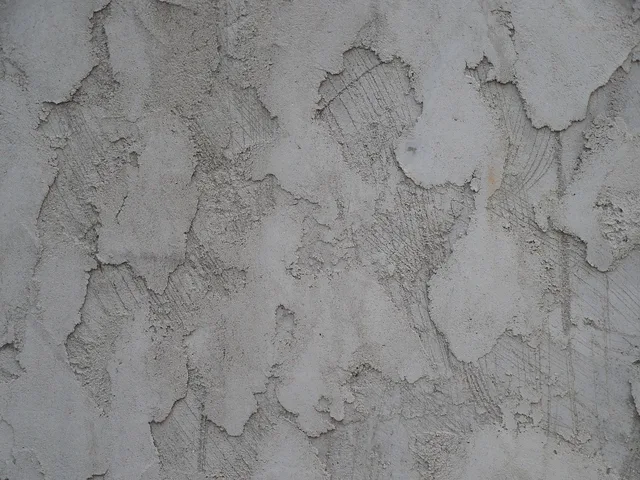
Map cracks across a ceiling, sometimes called craze cracking, usually mean the plaster keys have failed and the plaster has separated from the lath. That is a plaster-wall repair job, and it is often about reattaching rather than filling.
Stair-step cracks in a masonry foundation follow the mortar joints. They are common in older stone and brick foundations and are worth monitoring rather than panicking about, unless they are wider than a pencil or growing.
Expect different shapes in the two cities. Calgary's cracks cluster at openings and above radiators, where framing shrinks and swells. Winnipeg's wander across ceilings and wall tops as the clay beneath the footing moves.
Any repair decision should account for the climate the wall lives in. Plaster fixes shift with freeze-thaw winters, and a mix that works in a dry Calgary wall may fail in a wet Winnipeg basement. The regional logic is the same one that decides plaster wall repair how it works across the country.
Exterior wood decay checks for prairie exposure
Exterior wood decay in early-1900s homes is predictable once you know where water collects. Probe, do not just look. A screwdriver pushed into soft wood will tell you more than any visual inspection.
Start with the sill plate, the horizontal timber that sits on the foundation. It is the most rot-prone piece in the house because it is close to grade and often hidden by siding. If it is soft, that is a serious repair.
Move to window sills and the bottom rails of sash windows. Water sits on the sill, finds a failed caulk joint and works into the end grain. Probe the sill and the frame below it.
Porch posts, steps and railings take splash from the ground and often have no capillary break. Check the base of every post. If a post is rotted at the bottom, the fix is usually a spliced base rather than a whole new post.
The bottom course of siding and any wood within about 15 centimeters of grade deserves attention. End grain absorbs water fastest, so check the cut ends of boards, especially at corners.
Flashing is where most hidden decay starts. Look at roof-to-wall junctions, chimney flashing and window head flashing. A small flashing failure can rot a large area of wall sheathing before it shows inside.
Winnipeg's snow pack sits against north walls for weeks and keeps the lowest boards soaked. Calgary's chinook sun dries sills fast but bakes the paint off first. Both cities reward the same probe test.
Before you start opening walls or working in a damp basement, review general hazard guidance such as the CCOHS hazards hub for mold, asbestos and respiratory protection. Early-1900s homes can hold surprises behind plaster.
Building an inspection calendar for both cities
A calendar is more useful than a one-time inspection because it shows change. Set three fixed dates and keep the same record format each year.
- Pick your late-winter date, roughly the first week of March, and repeat it annually. Photograph all interior cracks with a ruler for scale.
- Pick your spring melt date, after the first sustained melt, and walk the exterior perimeter during rain if you can.
- Pick your early-autumn date in mid-September and complete the exterior wood checklist below.
Use the same checklist each autumn so nothing gets skipped.
- Probe sill plates at three points along each wall
- Check window sills and lower sash rails for soft wood
- Test the base of every porch post and step stringer
- Inspect caulk joints at windows, doors and corners
- Look at flashing at roof-to-wall, chimney and window heads
- Confirm ground slopes away from the foundation and downspouts discharge clear
- Photograph any change since last year
Typical costs in either city: a home inspection runs about $400 to $700, a structural engineer's written opinion on a foundation question about $500 to $1,500, and a tradesperson's repair of a few plaster cracks about $300 to $900.
Foundation work is priced by the meter and can reach several thousand dollars for a wall section. Access, height and heritage review all move the number, so treat these as planning ranges.
Budget for the work as you would any other house cost, and check what renovation spending is eligible for before you commit. Saskatchewan's tax and budgeting guidance is a regional reference for how prairie homeowners think about renovation costs and tax treatment.
Keep a simple file: photos by date, a note of what you repaired and when. When you eventually sell, or when a contractor asks what has changed, that file is worth more than any opinion.
For the years after a repair, the discipline is the same. A plaster wall repair maintenance routine that revisits the same cracks each season catches failure early. Pair it with a plaster wall repair case studies habit for the exterior, and the house stops surprising you.