Guides
Plaster wall repair: how it works and why repair comes first
Plaster wall repair: how it works, from diagnosing failed keys to choosing reattachment, patching, skim coating, replastering, or board replacement.
What to take away
- Historic plaster hangs on keys, the lumps that squeeze through the lath. Most failure is loss of keys, not loss of plaster.
- A hollow sound and movement under gentle hand pressure suggest detached plaster, which needs a different repair than a crack.
- Reattachment is less invasive than replacement and keeps the original surface when the plaster and lath can still hold it.
- Leaving a wall half stripped is not a finish. Repair it or replaster it, but do not stop halfway and call it character.
Plaster confuses people because it looks like a single material and behaves like an assembly. Plaster wall repair: how it works depends on whether the keys have failed, the plaster is cracked, or material is missing.
How the wall is built
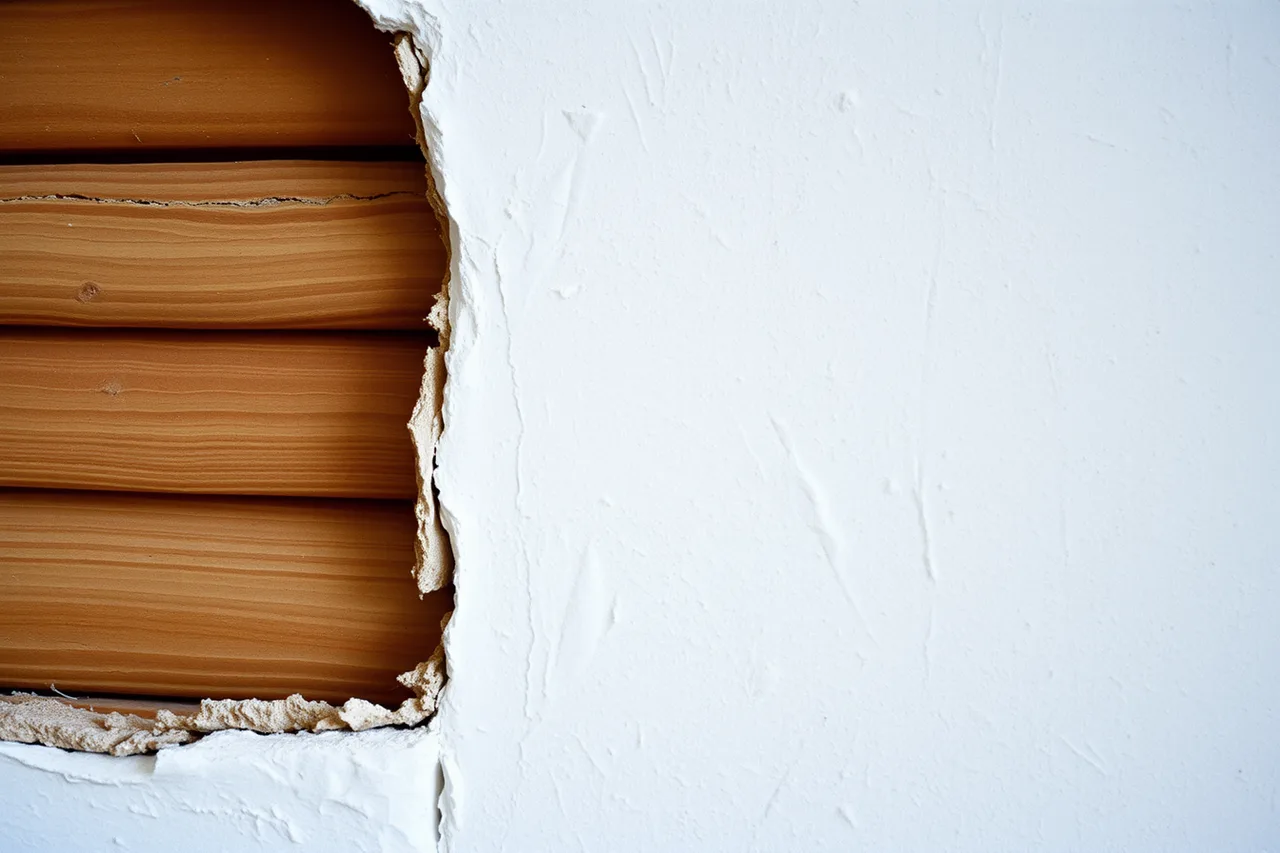
Traditional American plaster commonly has three coats over lath: the scratch coat is pressed through the lath to form keys, the brown coat levels the wall, and the finish coat is the visible surface. Wood lath is thin strips with gaps between them; later houses use metal lath or gypsum board lath. Lime plaster, gypsum plaster, and gypsum-veneer plaster are different systems, so identify the existing material before choosing a patch.
Three coats over lath
- Scratch coat pushed through lath gaps
- Keys form behind the lath
- Brown coat builds thickness and flatness
- Finish coat thin, hard, lime based
Understanding the keys explains almost everything. When they break, the plaster may stay in place by friction until it does not; moisture, movement, or a weak bond can also contribute to failure.
What is actually wrong
| Symptom | Likely cause | Repair |
|---|---|---|
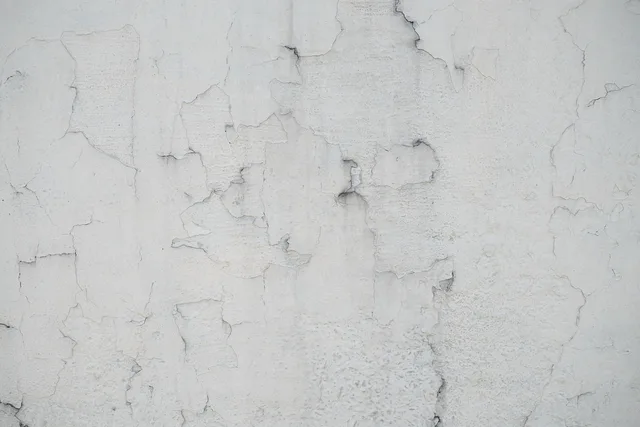
| Hairline map cracking | Normal aging of the finish coat | Fill or skim |
| Straight crack over a door or window | Framing movement | Fill, monitor, address movement |
| Bulge that moves under pressure | Broken keys | Reattach with washers and adhesive |
| Damp stain with soft plaster | Water source | Fix the water first, then repair |
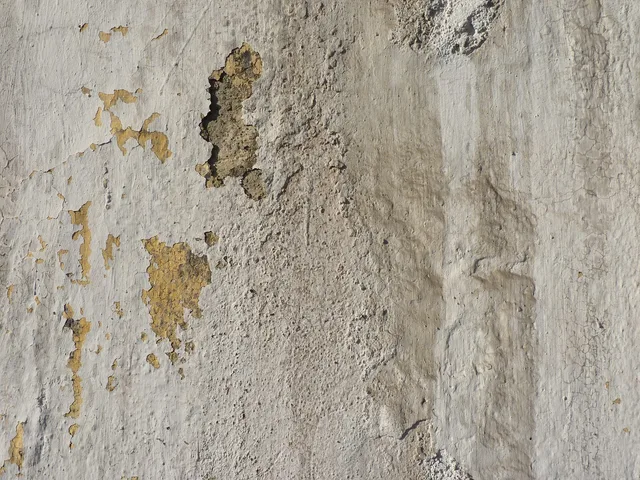
| Missing plaster to bare lath | Impact or long-term water | Rebuild in layers |
A straight crack over a door can follow a change in the wall, but its shape alone cannot rule out structural movement. If a crack is widening or offset, keeps returning, or comes with sticking doors or visible wall movement, stop cosmetic repairs and ask a structural engineer to assess it.
Diagnose before you buy anything. A skim coat over a detached wall is a false economy: a new surface does not secure plaster that is still falling away from the lath.
The repair options in order of intervention
- Reattachment: For plaster that has come loose but can still hold together, drill small injection holes, vacuum out dust, and inject a purpose-made adhesive system such as Plaster Magic. Set plaster washers with screws to draw the plaster gently back to the lath without crushing it. Let the adhesive cure as directed, then fill the holes; follow the product instructions on whether to remove the washers. This is not a fix for broken or rotten lath.
- PatchingCut loose material back to sound edges, secure or repair the exposed lath, and use a trowel to rebuild the missing plaster in layers. Match the existing plaster system and let each layer set as its instructions require.
- Skim coatingOnly for a sound, firmly attached wall. Scrape away loose finish, clean the surface, and trowel on a thin finish coat; a skim coat cannot fix movement or detachment.
- Three-coat replasteringWhen broad areas are gone, remove failed plaster, repair the lath, then apply a scratch coat, a leveling brown coat, and a finish coat in sequence. Prepare and mix the plaster according to the system being used.
- Board replacementThe last resort. Remove the plaster, fit gypsum board to the framing, then tape and finish the joints. It replaces the historic surface and can change the profile at the trim.
National Park Service Preservation Brief 21, Repairing Historic Flat Plaster, is a guide to repairing historic plaster. The Park Service bulletin on deteriorated plaster says leaving plaster remnants makes an interior look ruined. It calls artificially distressed plaster inappropriate and exposing lath instead of replastering unacceptable.
Why repair comes first
The Secretary of the Interior's Standards for Rehabilitation, Standard 6, says deteriorated historic features should be repaired rather than replaced; when deterioration requires replacement, the new feature should match the old in design, color, texture, and, where possible, materials. For federal historic rehabilitation tax incentives, the Standards are codified in 36 CFR Part 67. Local historic district review is separate and depends on local rules. Before work, ask your local historic preservation commission or historic district office whether you need design-review approval, such as a certificate of appropriateness, and which application to use.
The Standards name four treatments: preservation maintains historic fabric; rehabilitation adapts a property for continued or compatible use; restoration presents it as it appeared in a selected period; and reconstruction recreates a missing property or feature.
Historic plaster is harder than a board wall, flatter over long runs, and better at sound. It buffers moisture slightly better and is repairable indefinitely.
For broader old-house context, see our catalog of recurring problems and fixes. For related period interior planning, see our twenty period interior ideas.
Common questions
Is plaster repair a homeowner job?
How do I test for detachment?
Can I just screw drywall over it?
Does plaster contain anything hazardous?
In this guide
- Ranked by everyday value: the plaster repairs worth doing firstWhich plaster work pays back day to day: ceiling reattachment, sound flat walls, crisp arrises at trim, and where ornamental replication is worth the money.
- Keeping repaired plaster sound through the years that followHow to keep repaired plaster sound: crack monitoring, humidity control, dealing with mold on damp walls, and knowing which movement is normal.
- Plaster wall repair by region: freeze-thaw, humid, floodsPlaster wall repair by region: how freeze-thaw, humid summers and flooding change the materials, coatings and drying checks for historic plaster walls.
- Plaster repair products worth testing reviewed for 2027Nine plaster repair products worth testing in 2027, what each is mixed for, and the patch test that shows bond, shrinkage and hardness before you buy quantity.
- No plaster wall repair case studies: five lessonsPlaster wall repair case studies aren't included here. This guide gives five lessons on moisture, adhesion, protection, phasing, and finish records.