Guides
How to Spot Foundation Problems in an Old House
Old house foundation repair signs are mostly about width, movement and water. Learn which cracks are historic and which need a structural engineer.
What to take away
- A hairline crack under 1/8 inch that has not moved in a year is a monitoring job, not a repair.
- Width beats length. Anything wider than about 1/4 inch needs an engineer.
- Foundation type sets the baseline. Stone, brick, concrete, block and pier-and-beam fail differently.
- Water does more damage than soil. Grading and gutters come before any repair invoice.
Foundation type sets the baseline
A house on rubble stone in New England and a house on piers in Georgia rarely fail the same way, so start with what holds the house up.
Foundation Type Failure Modes
Foundation type
- Rubble stone
- Mortar loss, stone shifting
- Brick
- Stair-step cracks at joints
- Poured concrete
- Hairline shrinkage cracks
- Block wall
- Horizontal inward cracks
- Pier-and-beam
- Sloping floor, pier settlement
Typical first symptom
- Rubble stone
- Repoint, stabilize stone
- Brick
- Engineer, repoint carefully
- Poured concrete
- Usually monitor only
- Block wall
- Relieve soil or frost pressure
- Pier-and-beam
- Level and repair piers
Repair approach
- Rubble stone
- Brick
- Poured concrete
- Block wall
- Pier-and-beam
Stone foundations lose mortar and shift stone by stone. Brick ones crack in stair steps that follow the mortar joints. Poured concrete throws hairline shrinkage cracks that mean very little. Block walls crack horizontally when soil or frost pushes inward. A pier-and-beam house settles pier by pier, and the first symptom is usually a sloping floor.
Each failure mode wants a different repair, and the wrong one can quietly damage old houses for years.
Cracks that came with the house
Many cracks in a 150-year-old foundation are as old as the house. Lime mortar keeps moving for decades, and the structure settled into its footings long before you arrived.
A dormant crack leaves a signature. Somebody patched it, painted over it, and it never came back. A crack filled three times in ten years says the opposite, which moves the job from repair to diagnosis.
Sharp edges suggest recent movement, while rounded edges with paint bridging the gap suggest a crack that has been quiet for years.
Owners who inherit a badly restored house often find a foundation that was patched cosmetically while the cause stayed put.
Width tells you more than length
| What you see | What it usually means | What to do |
|---|---|---|
| Hairline, under 1/8 inch, vertical | Shrinkage or original settlement | Photograph it, check next year |
| 1/8 to 1/4 inch, unchanged | Movement that stopped | Monitor with a telltale gauge |
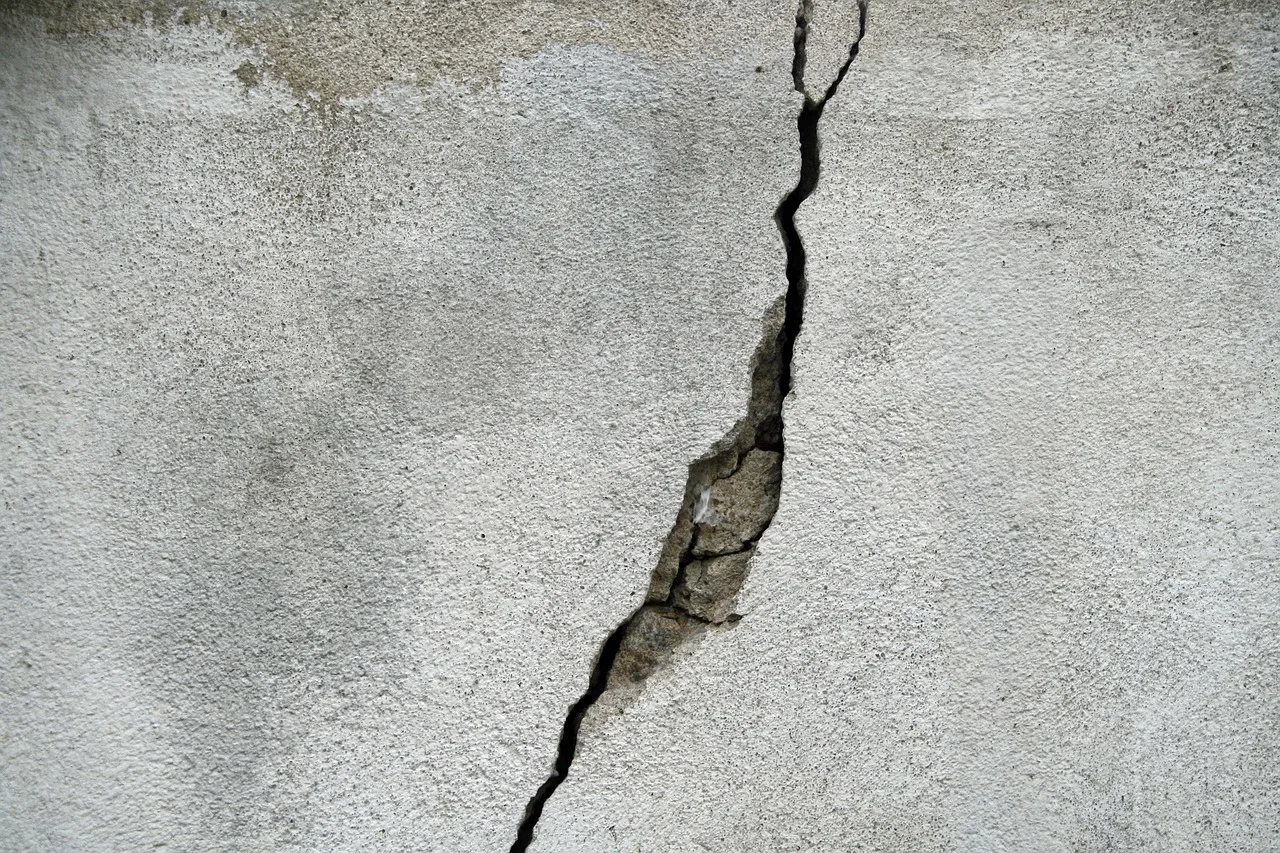
| Wider than 1/4 inch, wider at one end | Active movement | Book a structural engineer |
| Horizontal, in block or brick | Soil or frost pushing inward | Engineer, promptly |
| Stair-step through brick joints | Differential settlement | Engineer before cosmetic repair |
Inspection practice commonly treats 1/4 inch as the width where a crack stops being cosmetic, and 1/8 inch as the width worth watching. Both are rules of thumb rather than code limits.
Crack Width Decision Guide
Hairline under 1/8 inch vertical?
Photograph, check next year
1/8 to 1/4 inch unchanged?
When a patched crack reopens, the recovery is a telltale gauge. Bond a strip of glass or plastic across the crack, date it, and read it monthly.
Cracks around a doorway or a corner are often plaster and framing rather than foundation, and the plaster repair lessons from real projects show how often that gets misread.
Water does most of the damage
Check where water goes before you accept any repair quote. A downspout discharging beside the wall, a gutter overflowing at one corner, or soil sloping toward the house keeps the foundation wet and moving. Grading that falls about 6 inches over the first 10 feet is the usual rule of thumb.
Water also leaves a white powdery line, efflorescence, that marks how high moisture has climbed in a basement. That line moves with the seasons.
In a house built before 1978, digging near the foundation disturbs lead paint and lead-contaminated soil, so lead-safe work practices apply to what otherwise looks like yard work.
An afternoon check, room by room
- Mark and photograph every exterior crack with a ruler in frame for scale.
- Check both ends of each wall. A crack opening at two opposite corners usually means one corner is dropping.
- Open every door and window. A door that sticks only in humid weather points to swelling wood.
- Put a level on the worst floor. A fall of more than about 1 inch over 20 feet deserves recording.
- Look for a leaning basement wall. Lateral soil pressure pushes walls inward first.
- Date every photo and repeat the walk in six months, since movement is proved by comparison.
Get one engineer's written opinion before you price anything, because restoration repairs cost less once the cause is known.
When to call a structural engineer
Some findings end the do-it-yourself phase. A crack wider than 1/4 inch does. So does a wall out of plumb by more than about 1 inch over 8 feet. A chimney pulling away from the wall is another, and so are several doors that stop working at once.
Those thresholds come from common inspection practice rather than a single code, so treat them as reasons for a look. A licensed structural engineer is paid a fee by you and holds no share of the repair, so the advice is not tied to the invoice.
Federal historic preservation tax incentives apply mainly to income-producing certified historic buildings, so an owner-occupied house usually does not qualify. A few states run credits of their own.