Guides
Part of Historic Home Restoration Mistakes to Avoid
US homeowners: First steps for a badly restored house
US homeowners inheriting a badly restored house: stop active damage, document what survives, check applicable rules, and find the right expert.
What to take away
- Stop the active harm first. Everything else can wait a year; water and trapped moisture cannot.
- Survey what survives before mourning what does not. Most houses retain more than a first walk-through suggests.
- Alteration does not automatically destroy significance, and a much-changed house can still be worth designating.
- Get one expert opinion early. A short paid consultation beats a year of guessing.
For US homeowners inheriting a house full of somebody else's decisions, the first steps are about triage and evidence, not correction.
Stop the active harm
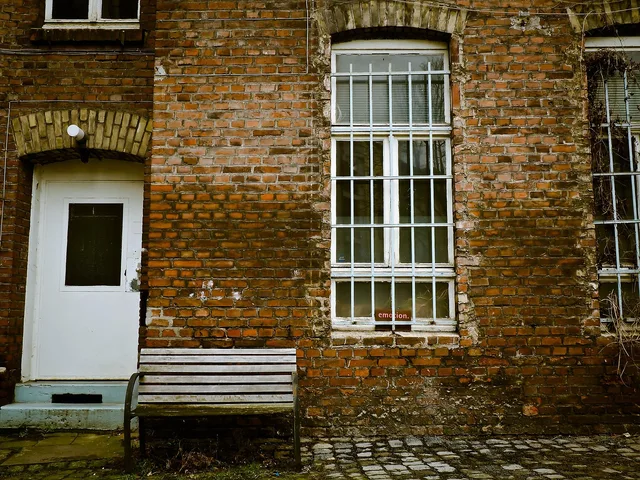
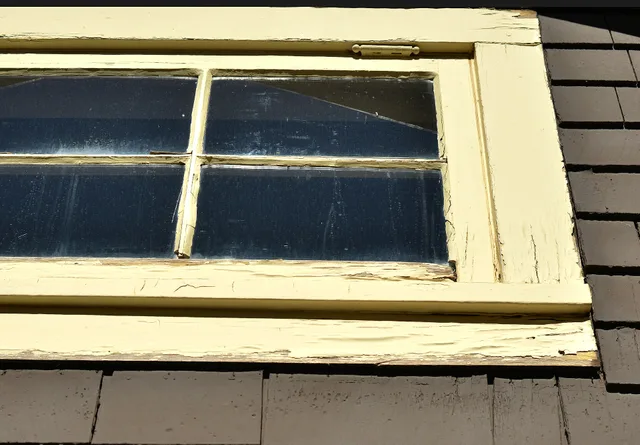
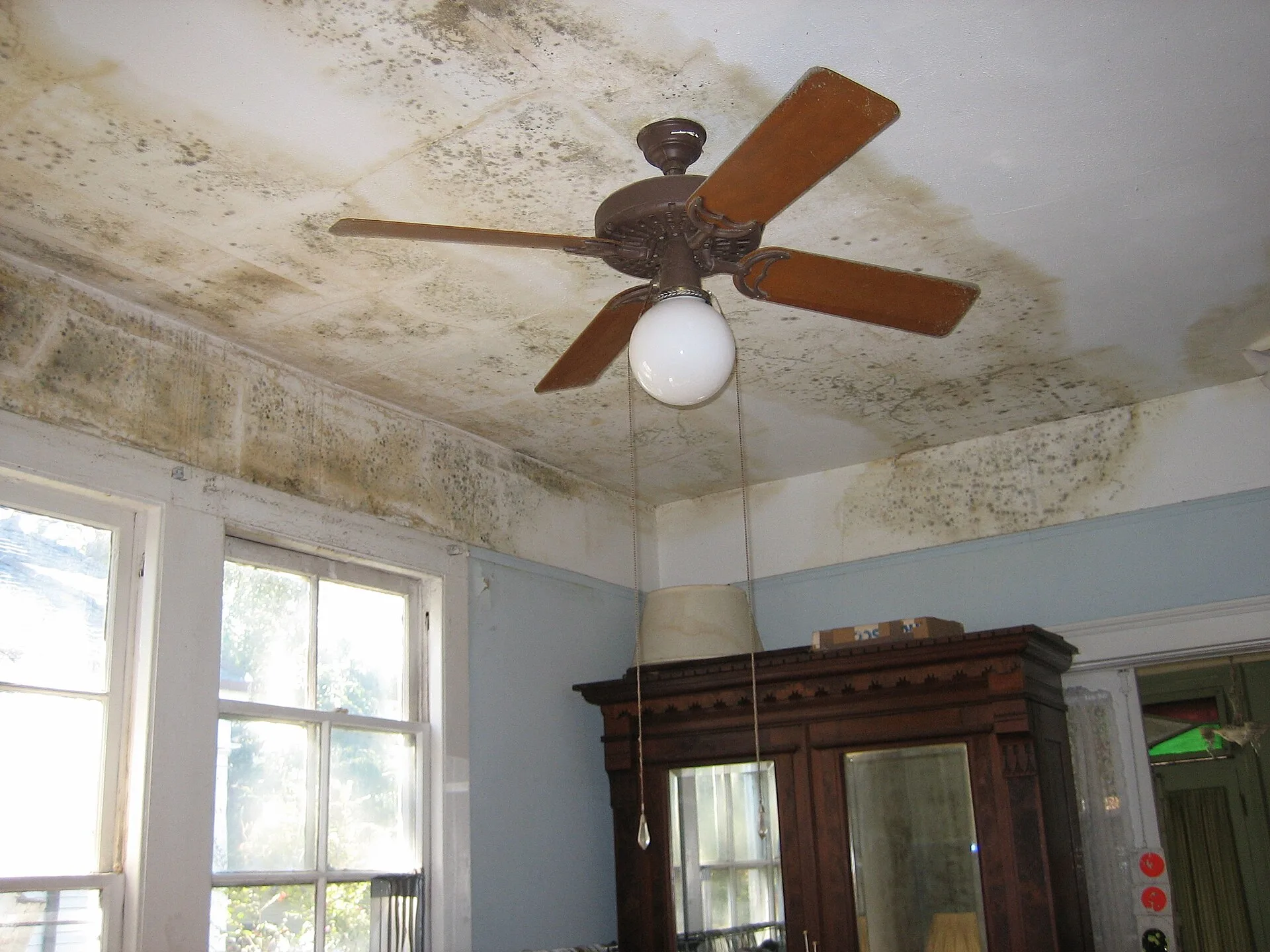
Walk the exterior in rain. Look for water discharging at the foundation, blocked gutters, a coating shedding water into a joint, or a cladding detail that funnels water behind it. Inside, look for damp at floor lines, salt bloom, and paint failing in the same place repeatedly.
Anything actively wetting the building gets addressed this season. A trapping coating or hard mortar can wait for a plan, but the water reaching them cannot.
Survey what survives
Go room by room with a notebook.
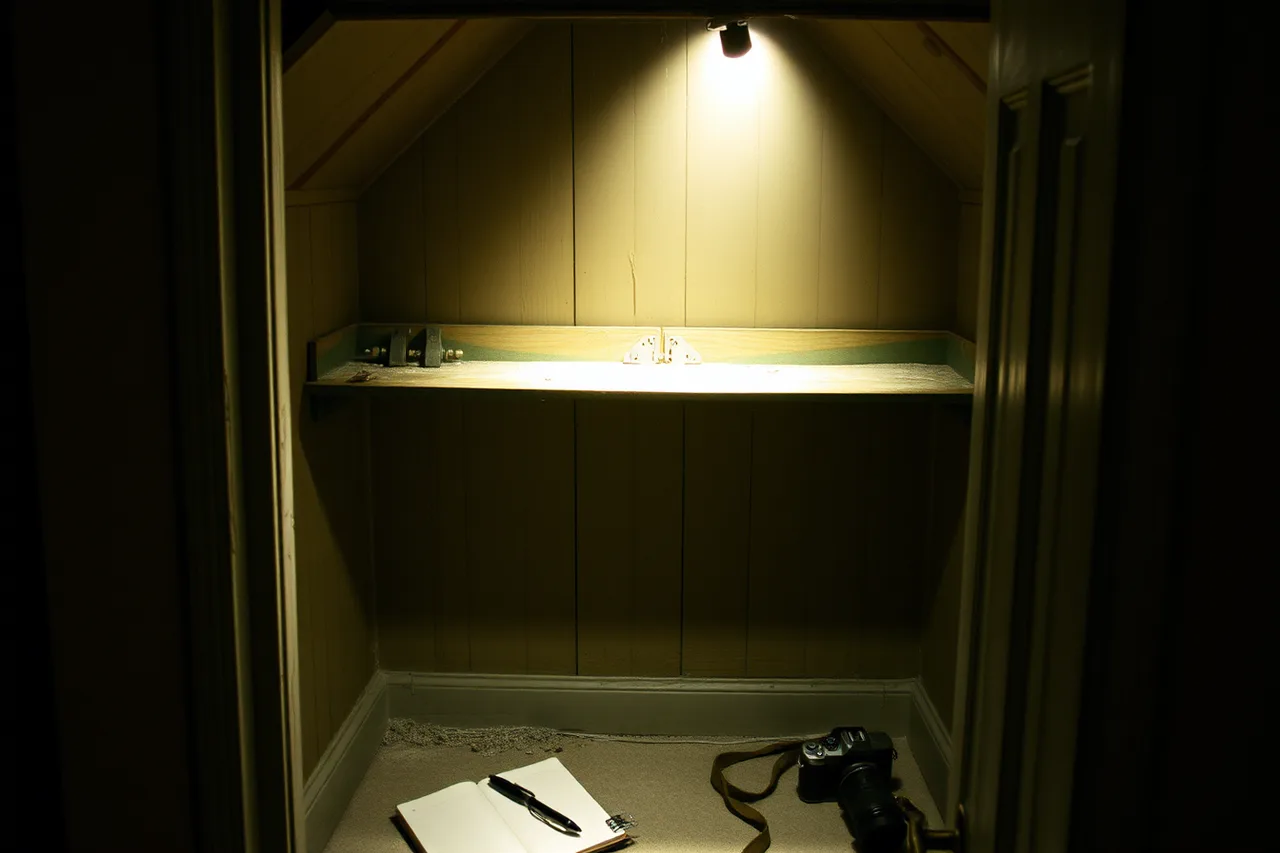
- Which original doors, trim, hardware, floors and mantels are still present?
- Where has original material been covered rather than removed? Check inside closets, behind radiators and in the attic.
- What is in the basement, attic and garage? Removed features often survive in storage.
- Which alterations are old enough to have become part of the building's history?
That last question matters. Not everything later is damage, and a well-made 1930s change in a 1890s house may be worth keeping on its own terms.
Photograph as you survey, and note the date. A year from now you will have forgotten which closet held the original hardware and which room still has its plaster cornice under a dropped ceiling. A cornice found intact is worth far more than a replicated one, since replication only earns its cost in one or two principal rooms.
Do not assume the significance is gone
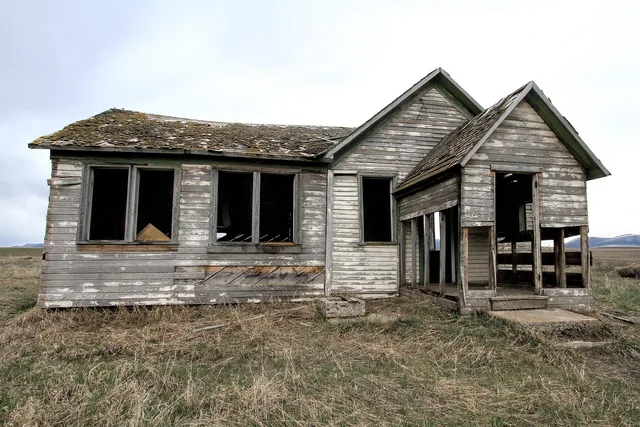
Owners often conclude that a heavily altered house no longer counts. Professionals reach that conclusion far less often. The National Register's collection of sample nominations addressing integrity shows how buildings with substantial change have still been argued to convey their significance, and how that case is documented.
If you think designation or a local program might matter later, this is worth knowing before you make irreversible decisions of your own.
Before deciding what to undo, identify which rules apply. The Secretary of the Interior's Standards for Rehabilitation provide a preservation benchmark. National Register listing alone generally does not restrict a private owner's work, but local designation and permit rules may; ask your local historic preservation commission, if your community has one, and building department what review applies before exterior changes.
If National Register eligibility may matter, read National Register Bulletin 15, How to Apply the National Register Criteria for Evaluation, and contact your State Historic Preservation Office (SHPO) about the state nomination process. A National Register nomination uses NPS Form 10-900; the SHPO can explain whether a nomination fits your property and what steps follow.
If federal funding, a federal license, or federal approval is involved, ask the agency or SHPO whether Section 106 of the National Historic Preservation Act applies; it is not a blanket rule for every privately funded repair. For a project seeking the federal historic rehabilitation tax credit, review is governed by 36 CFR Part 67 and the Standards.
Get one opinion early
| Who | What they answer |
|---|---|
| Structural engineer | Whether movement is active and what is carrying load |
| Preservation consultant or architect | What survives, what is recoverable, what to prioritize |
| Experienced mason | Whether pointing and coatings are causing damage now |
| Building department | What permits and reviews will apply to your plans |
| State preservation office | Local programs, designation questions, referrals |
The National Park Service's guidance on protecting an important place explains the wider preservation system and is a useful starting point. For local referrals, contact your State Historic Preservation Office (SHPO), local preservation commission, or a regional chapter of the Association for Preservation Technology International (APTI). Ask candidates for experience with comparable houses, references, a written scope, and any license required for their profession in your state.
Then make a plan, not a list
Turn the survey into a sequence: stop water, stabilize, recover what is recoverable, then improve. Use the homeowner checklist for historic-home restoration to organize first-year tasks, and get a written scope before committing to specialist work.