Reviews
Part of Plaster wall repair: how it works and why repair comes first
Ranked by everyday value: the plaster repairs worth doing first
Which plaster work pays back day to day: ceiling reattachment, sound flat walls, crisp arrises at trim, and where ornamental replication is worth the money.
What to take away
- Ceiling reattachment is the highest-value plaster repair in most houses, because a falling ceiling is a safety issue and a total-loss risk.
- Flat, sound walls in the rooms you use daily beat ornamental work in rooms you do not.
- Crisp edges where plaster meets trim are what make a repaired room look right. Rounded, filled arrises read as patched forever.
- Replicating missing ornament is worth it in one or two rooms, rarely in all of them.
Plaster money goes furthest when it is spent on structure and geometry rather than decoration. The decorative work is the part people photograph and the part they notice least once it is finished.
Ceilings first
A detached plaster ceiling is the one plaster problem that can hurt someone. Ceilings carry their own weight in tension against gravity, so broken keys matter more overhead than on a wall.
Reattachment with washers and adhesive stabilizes a ceiling for a fraction of the cost of removal and replacement, and it keeps a surface that cannot be reproduced cheaply.
Do the ceilings in bedrooms and hallways before anything decorative anywhere. Then move to the rooms below bathrooms, which are the ceilings most likely to have been wetted.
There is a second reason to start overhead. A ceiling that comes down takes the wall finishes, the floor beneath it and often the room's contents with it, so the cost of failure is far larger than the cost of the repair.
Few other items in an old house have that ratio, so the ceiling belongs at the front of the queue even when the walls look worse. Ranking work by what happens if you skip it for three years is how the rest of the money gets ordered too.
Flat walls in the rooms you live in
| Repair | Everyday payback | Notes |
|---|---|---|
| Ceiling reattachment | Very high | Safety, and prevents total loss |
| Wall reattachment in daily rooms | High | Stops progressive failure |
| Rebuilding damaged arrises at trim | High | The detail that makes a room read as finished |
| Skim coat on sound substrate | Medium | Cosmetic, but transforms a shabby room |
| Replicating a missing cornice | Low to medium | Worth it in one principal room |
| Replicating a ceiling medallion | Low | Only where evidence supports one |
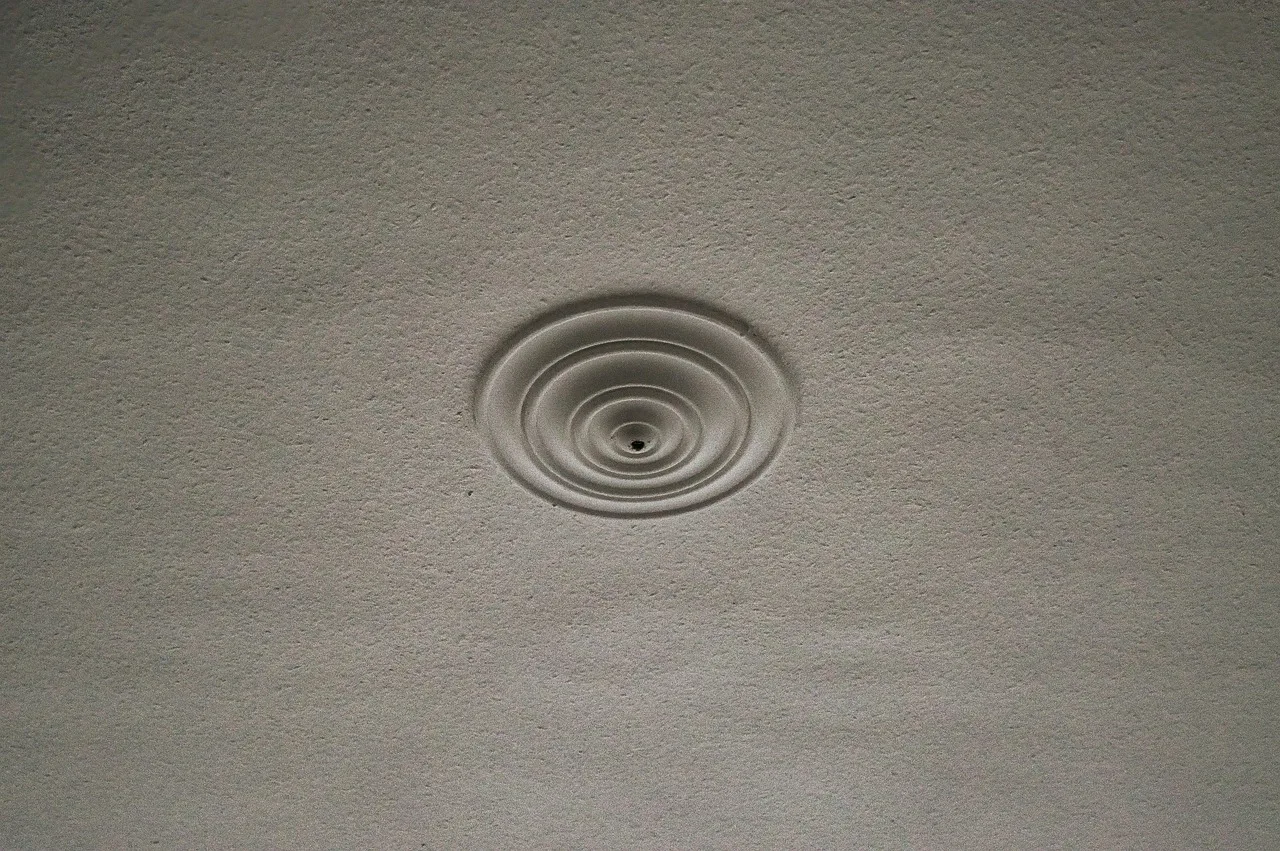
Where ornament is genuinely missing and evidence supports replacing it, cast substitutes are a legitimate option. The Park Service documented one such approach in a tech note on a substitute ceiling medallion, which is a useful example of how a replica is specified and judged rather than improvised.
Plaster repairs ranked by everyday payback
Repair
- Ceiling reattachment
- Very high
- Wall reattachment in daily rooms
- High
- Rebuilding damaged arrises at trim
- High
- Skim coat on sound substrate
- Medium
- Replicating a missing cornice
- Low to medium
- Replicating a ceiling medallion
- Low
Everyday payback
- Ceiling reattachment
- Wall reattachment in daily rooms
- Rebuilding damaged arrises at trim
- Skim coat on sound substrate
- Replicating a missing cornice
- Replicating a ceiling medallion
The upgrade that is not an upgrade
Removing plaster to expose masonry or lath is presented as a design choice, but federal practice treats it as a loss. The Park Service states this plainly in its guidance on exposing interior masonry walls and ceilings.
Removing plaster or other finishes to create a new appearance is consistently advised against. Deteriorated finishes should be repaired, replaced in kind, or replaced with compatible new materials.
The everyday argument is simpler. An exposed wall sheds dust, holds cold, reflects less light and cannot be cleaned easily. Two winters usually settle the debate. Exposed brick behaves the same way, and most interior brickwork was laid to be covered rather than seen.
Sequencing the money
Ceilings, then daily rooms, then edges and reveals, then decoration. Fix the water source before any of it. The mechanics of each repair are explained in our plain-English guide to plaster repair, and the same value ranking across interiors generally is in which period interior upgrades add everyday value.