Features
Part of Twenty period interior ideas for an old house, sorted by how much change they require
Why climate changes the right period interior choices by region?
Period interior ideas by region: how moisture in the wall decides finishes in a humid South, a cold North and a dry Southwest, and why the answer changes.
What to take away
- Climate decides where moisture wants to go, and moisture decides which interior finishes survive.
- Cold-climate houses fail from inside-out condensation. Hot, humid houses fail from outside-in vapor drive.
- An energy audit comes before interior work, ahead of insulation, because the order of work decides whether the wall can still dry.
- Mechanical systems installed carelessly do more visible damage to period interiors than any decorating decision.
The same period interior ideas by region can be right in Maine and wrong in Louisiana. What changes is not taste but the direction moisture travels through the wall. Building codes already divide the country along those lines, into the IECC climate zones that run from hot zone 1 to cold zone 8, and the question behind every interior choice is which side of the wall stays drier.
Cold climates: condensation from within
In a heated house in a cold winter — New England, the Upper Midwest, the mountain West — warm moist indoor air moves toward cold surfaces. It condenses on single glazing, inside uninsulated wall cavities, and behind furniture on north walls. The visible results are peeling paint on window sash, staining at the top of walls, and mold behind bookcases.
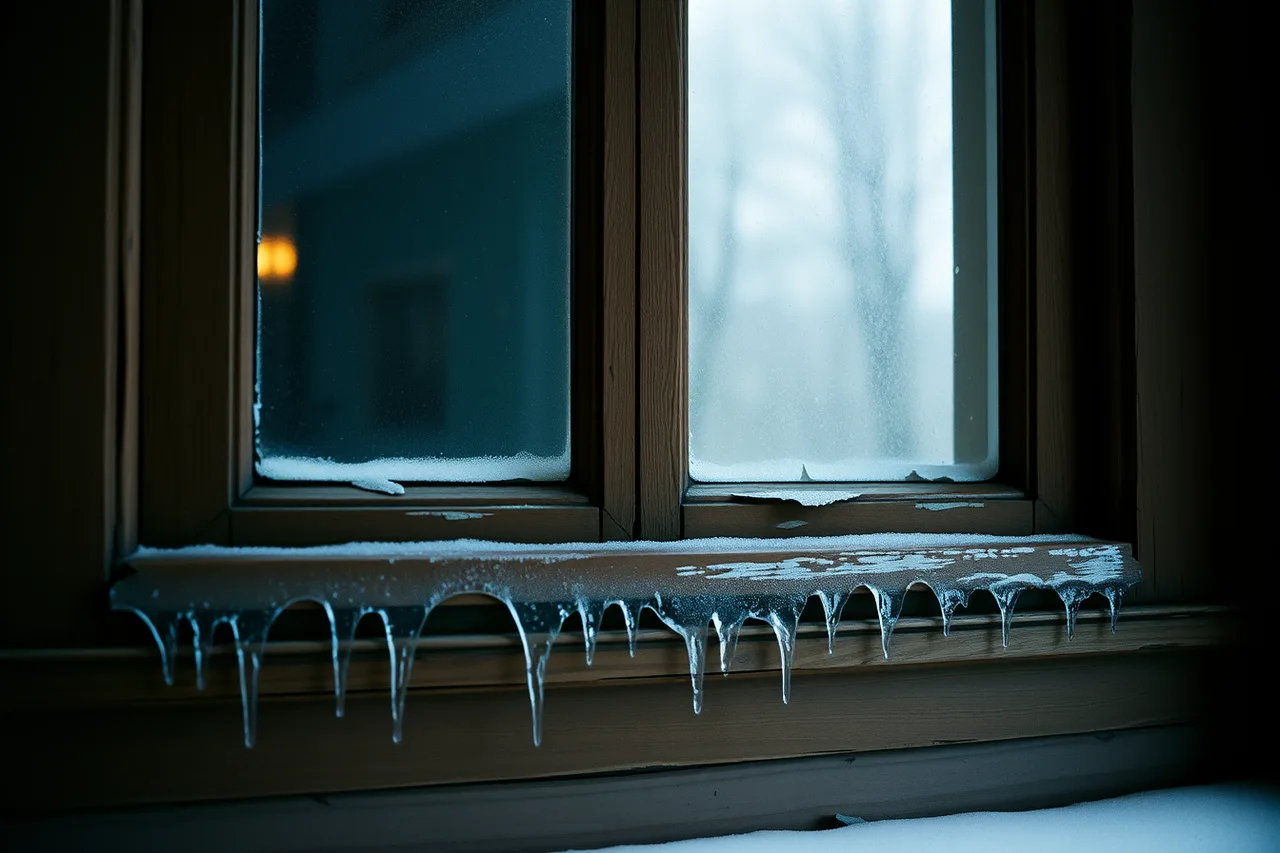
Keep indoor humidity moderate, not high, and seal air leaks before adding insulation. Ventilate bathrooms and kitchens properly, and improve windows by repair and storm sash rather than sealing the house tight without a plan. Choose finishes that can dry inward as well: linseed-oil paint, lime plaster and other breathable coatings, not vinyl wallcovering or a plastic vapor barrier on the inside face of the wall.
The Park Service overview of weatherizing historic buildings puts an energy audit first for exactly this reason, then air infiltration, then window and door repair, then insulation. That order matters, and the same ground is covered at length in Preservation Brief 3, Conserving Energy in Historic Buildings.
Hot, humid climates: vapor from outside
South of roughly the Ohio Valley — the Gulf Coast, Florida, the coastal Southeast — the summer problem reverses. Air conditioning cools interior surfaces, and humid outdoor air condenses against them. Wall coverings on exterior walls trap moisture, oil paint on damp plaster blisters, and mold arrives in closets on outside walls.
- Choose vapor-permeable finishes on exterior-wall plasterlimewash, lime plaster, mineral (silicate) paint or linseed-oil paint.
- Avoid vinyl wallcovering, plastic vapor barriers and other vapor-closed films on exterior walls.
- Keep furniture and heavy hangings slightly off outside walls.
- Give closets on exterior walls some air movement.
- Run air conditioning to control humidity, not only temperature.
- Fix exterior water problems before adjusting anything indoors.
Dry climates and heated dry winters
In the dry Southwest and on the high plains, very low humidity opens joints. Panel doors shrink and rattle, floor boards gap, veneered furniture lifts, and plaster cracks along lath lines.
The answer is stability, not saturation: raise humidity gradually and modestly, and accept seasonal movement instead of filling gaps every year. Watching for that movement is a monthly job, and a short upkeep routine catches it before it becomes a repair.
Systems are the real risk to a period interior
Systems are the real risk
Common interior damage
- Central cooling in a hot climate
- Dropped ceilings, boxed ducts through good rooms
- Added heat in a cold climate
- Registers cut through original floors
- Humidity control anywhere
- Condensate lines through finished ceilings
Better approach
- Central cooling in a hot climate
- Route through secondary spaces and closets
- Added heat in a cold climate
- Use existing chases, small-diameter systems
- Humidity control anywhere
- Plan drainage paths at design stage
Preservation Brief 24, Heating, Ventilating, and Cooling Historic Buildings: Problems and Recommended Approaches, is blunt about how much character is lost to careless routing. Decide the route before the equipment is ordered, because equipment size drives duct size.
Local answers beat national ones
Design guidance from your own region is worth more than any general rule: your state historic preservation office, or the design guidelines your local historic district publishes, knows how houses were built there. Your building department will tell you what insulation and ventilation the International Residential Code, as adopted and amended locally, requires. The wider set of interior options is in Twenty Period Interior Ideas, and the whole-building order of work is in A Historic-Home Restoration Guide.