Reviews
Part of Historic Home Restoration Mistakes to Avoid
For homeowners, the tempting shortcut and the lasting repair compared
A head-to-head look at shortcut and lasting repairs for doors, porches, siding, cleaning and insulation, with the later costs of each choice.
What to take away
- The tempting shortcut is a stock Therma-Tru or Jeld-Wen steel entry at about $400 to $1,200; the lasting repair is a joiner rebuilding your original stiles at $1,500 to $4,000, and the original outlasts two stock units.
- The tempting shortcut on a porch is an Eze-Breeze vinyl panel enclosure at $15,000 to $40,000, the alteration most likely to be refused a heritage permit in Toronto, Montreal or Vancouver.
- The tempting shortcut is CertainTeed or Mastic vinyl siding at $3 to $6 a square foot, which hides rot; the lasting repair is a repair-and-paint cycle on wood clapboard at $4,000 to $9,000, which keeps the wall inspectable.
- The tempting shortcut before painting is a pressure washer, which drives water past the paint film. Hand washing and scraping costs more in labor and leaves a surface that holds paint.
- The tempting shortcut is blowing GreenFiber cellulose into a wall cavity of an old assembly, which can trap moisture; the lasting repair is attic air sealing and rim-joist work, which carries most of the benefit at a fraction of the risk.
Front doors
| Tempting | Sound |
|---|---|
| A Therma-Tru, Jeld-Wen or Masonite stock unit from a box store | Repair the existing door and its frame |
| Cut or fill the opening to suit the new door | Keep the opening and the trim |
| A raised-panel unit in a standard 36 by 80 inch size | Reglue joints, replace a rail, repaint |
| A prehung unit with new casing and a Larson storm door | A rebuilt original with a Schlage deadbolt and Pemko weatherstripping |
An entrance is the most looked-at three feet of any house. The Park Service bulletin on inappropriate replacement doors works through why a stock unit reads wrong even from the sidewalk, and what a compatible door has to match when the original is genuinely gone.
A repaired solid door with a Schlage deadbolt, Pemko weatherstripping and a Larson storm door performs well and keeps the elevation. Therma-Tru and Jeld-Wen both sell entry units in the $400 to $1,200 range; neither matches a 1905 opening without new casing.
A joiner's rebuild, typically $1,500 to $4,000, keeps the original stiles and the original shadow line. Salvage yards such as Second Use in Seattle and Ohmega Salvage in Berkeley supply matching trim when a rail is past saving.
Porches
| Tempting | Sound |
|---|---|
| Enclose with Eze-Breeze panels or Screen Tight framing | Keep it open, improve floor and screening |
| Replace turned posts with square stock | Match the profile, replace only failed members |
| Concrete steps in place of wood | Rebuild in wood with proper drainage detail |
| Add a porch the house never had | Leave the elevation as designed |
Porch changes are among the most reviewed alterations in historic districts, and the Park Service bulletin on inappropriate porch additions explains why adding or enclosing a porch changes a facade so decisively. Enclosure is the most common alteration and the one that most reliably makes a house look like a different house.
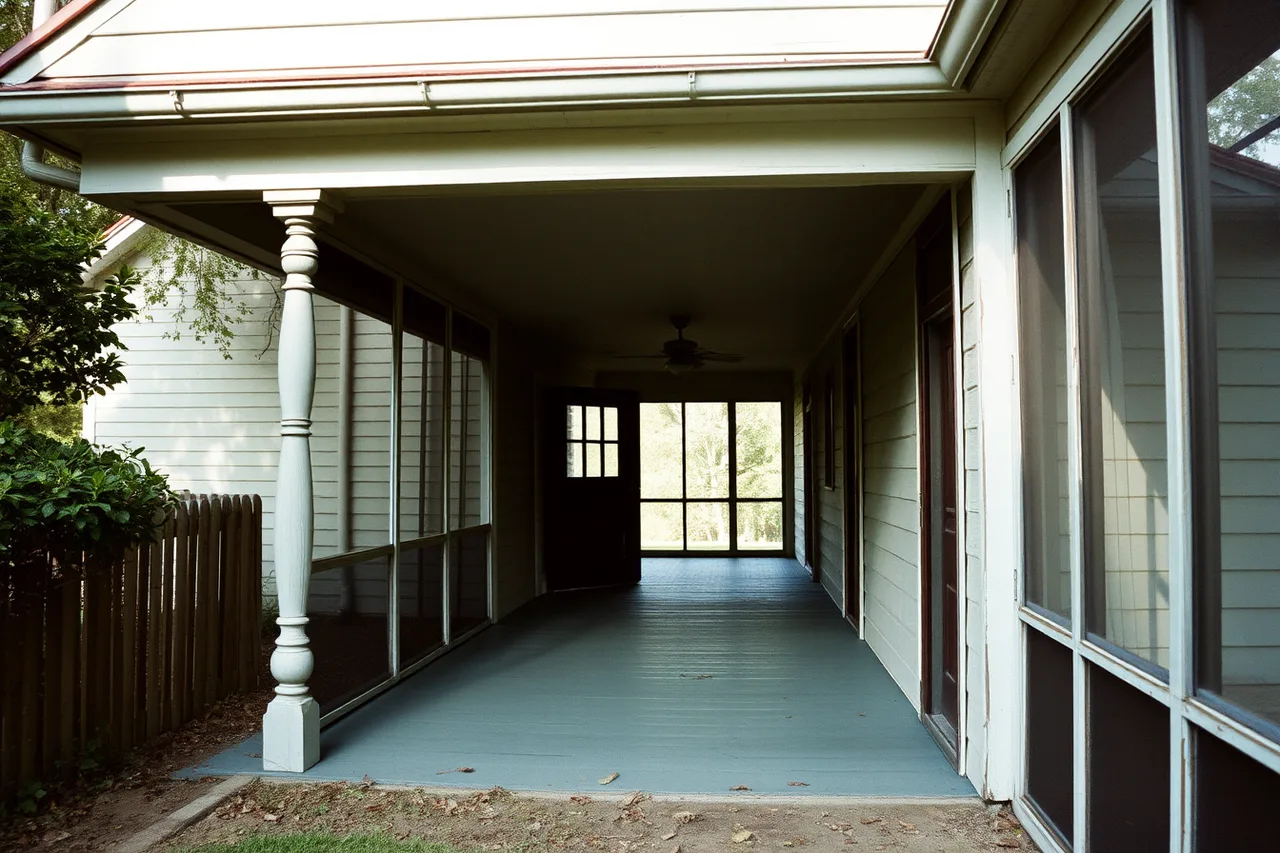
A screened porch in Halifax or Charlottetown costs $15,000 to $40,000 to enclose, and the permit is where the project usually stalls. Screening alone, replaced every eight to ten years, is the reversible middle option.
A Screen Tight kit uses vinyl spline and rolls of 18 by 14 mesh, a few hundred dollars in materials for a typical porch. Eze-Breeze vinyl panels run roughly $20 to $40 a square foot installed in most markets.
Siding, cleaning and insulation
- CertainTeed and Mastic aluminum and vinyl cladding at $3 to $6 a square foot hides deterioration and slows drying; repairing and repainting wood clapboard, typically $4,000 to $9,000, keeps the wall visible and inspectable.
- Fiber cement sits between the two. James Hardie HardiePlank at $6 to $10 a square foot holds paint longer than vinyl, but it still covers the sheathing edge.
- Pressure washing before painting drives water into the wall; hand washing with Savogran TSP substitute and scraping takes longer and leaves a better substrate.
- A Simpson or Sun Joe electric washer at 2,000 psi is the wrong tool for painted clapboard. Detergent, a stiff brush and a hose do less damage.
- Blowing GreenFiber or Applegate cellulose into wall cavities of an old assembly can trap moisture; air sealing with Great Stuff foam at the attic plane and rim joists gives most of the benefit with far less risk.
In each pair the shortcut buys time and transfers cost. That is the shape of the whole category. Contractors declare which side they are on early, and six questions with recognizable wrong answers will usually get it out of them inside a minute.
There is a useful test for any of them. Ask what happens to the water. A shortcut that keeps water out of sight rather than out of the wall has not solved anything; it has moved the evidence.
How to decide in the moment
Ask three questions: does this remove original material, does it interrupt drying, and can it be undone. Two yeses and a no means stop. The full catalog of damaging methods is in the mistakes that damage old houses, and the formal framework behind these decisions is in the four treatments compared.