Maintenance
Part of Original wood windows compared for value, comfort and long-term fit
Why do homeowners regret replacing sash that could have been repaired?
The window regrets that repeat: replacing sound sash, choosing units on price, retrofitting sealed glass badly, and skipping a sample repair before deciding.
What to take away
- The biggest regret is replacing sash that was dirty and stuck rather than decayed.
- Second is buying on price. Cheap replacement units are visible from the street and fail sooner.
- Retrofitting sealed glass into old sash changes the sash, and the retrofit is rarely reversible.
- A single sample repair before deciding would have prevented most of these regrets.
The original wood windows lessons repeat, and they are expensive, because a whole-house window job is one of the largest single line items an old-house owner ever signs.
Replacing what was only stuck
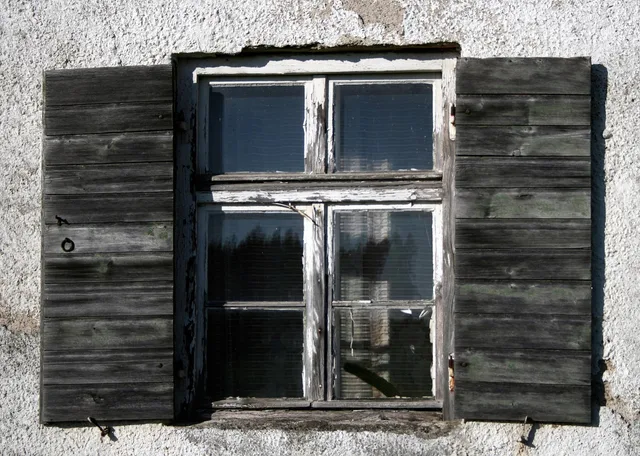
Painted-shut sash, missing glazing putty, broken cords, and dirty glass read as failure. None of them is failure. A window with sound joints and sound rails is repairable, no matter how bad the paint looks.

Owners who removed sash and later found frames were still good describe the same feeling: they paid to solve a maintenance backlog by throwing away the component.
Buying units on price
Replacement windows span an enormous quality range, from builder-grade units sold at big-box stores to made-to-order wood windows from millwork houses such as Marvin, Pella, and Kolbe. The cheap end is built for new construction, where nobody is matching anything.
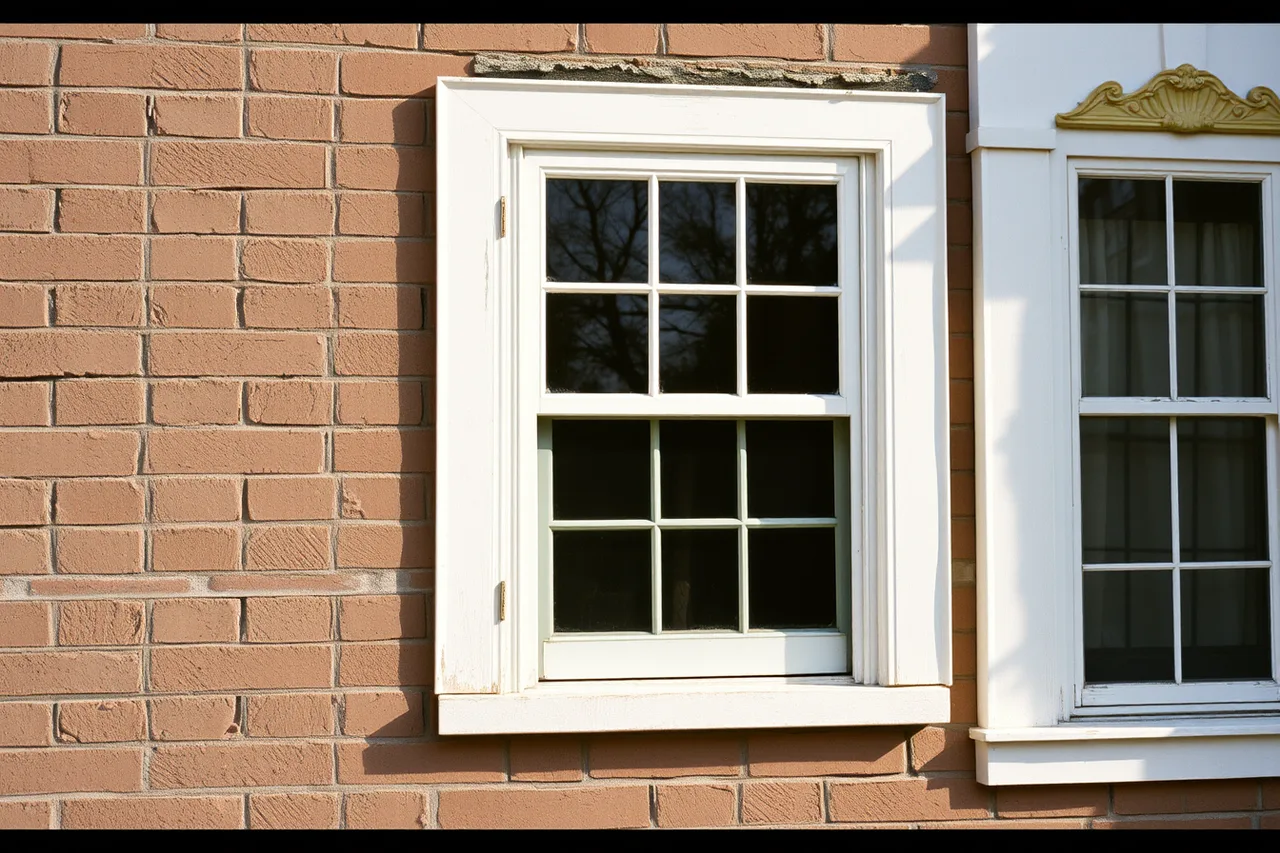
Face-applied muntins on a single pane, thick sash, glass set flush with the wall face and reflective coatings all announce themselves from the sidewalk. Buying there is the window version of a false economy that shows up all through an old-house budget.
Where no historic windows survive at all, the design question is still real. National Park Service Preservation Brief 9, The Repair of Historic Wooden Windows, sets out what a sympathetic new window looks like where nothing original remains, and it is a useful reference even outside a review process.
The sealed-glass retrofit
Insulated glass in original sash requires routing out the sash for the thicker unit. That changes the profile, adds weight the cords and weights were not sized for, and creates a sealed component inside a repairable one.
A reviewer will notice the altered profile. On a local historic district commission, or at the State Historic Preservation Office that reviews rehabilitation work and federal rehabilitation tax credit projects under the Secretary of the Interior's Standards for Rehabilitation, muntin width and glass setback are exactly what window review examines. When the seal eventually fails, the repair is a new sash.
The National Park Service's window rehabilitation research covers this route as well, and documents what the modification involves in historic wood sash. Know that before agreeing to the work, not afterwards.
Regrets ranked by what is recoverable
| Regret | Recoverable? |
|---|---|
| Replaced sound sash | No, the material is gone |
| Chose units on price | Only by replacing again |
| Routed sash for sealed glass | Not without new sash |
| Skipped weatherstripping after repair | Yes, easily |
| Removed original hardware | Sometimes, from salvage |
| Did the whole house at once | No, but the lesson transfers |
The list has a pattern. The recoverable regrets are about method and sequence. The unrecoverable ones are all about material that left the building. That is the practical case for slowing down at exactly one moment: the morning the sash comes out.
What would have prevented it
Do one sample repair: take the worst window in the house, pay a restoration carpenter to repair it properly, and compare the result and price against a replacement quote.
That exercise answers the question with evidence instead of assumption. The full comparison is in our window options compared, and the same pattern of regret shows up across whole-house projects, not only windows.