Costs
Old-house restoration budget categories ranked by volatility
Seven old-house restoration budget categories ranked by how far they move, why labor dominates, where surprises hide and the order in which to price them.
What to take away
- Labor, not material, is the largest line on most restoration budgets. Skilled hours are what you are buying.
- Access costs money. Scaffolding, staging, protection and containment are real line items, not overhead.
- Hidden conditions are the volatile part. Everything else can be priced; discovery cannot.
- Cost is a legitimate consideration in preservation decisions, but it does not by itself excuse removing historic material.
An old-house budget looks different from a new-build budget. Its categories differ, and the risk sits somewhere else entirely. This guide sets out seven restoration cost categories, ranks how far each one tends to move between the first bid and the final invoice, and ends with the order in which to price them. The prices themselves come from your local trades, because restoration rates depend on the house, the trade and the region.
The shape of a restoration budget
| Category | What it covers | Volatility |
|---|---|---|
| Skilled labor | Carpentry, plaster, masonry, glazing, painting | Medium |
| Licensed trades | Electrical, plumbing, mechanical | Medium |
| Materials | Lumber, mortar, glass, roofing, finishes | Low to medium |
| Access and protection | Scaffolding, staging, containment, temporary closure | Low |
| Hazard work | Lead-safe practices, asbestos abatement | High |
| Professional fees | Design, engineering, survey, permits | Low |
| Hidden conditions | Whatever is behind the wall | Very high |
Read the volatility column as a forecast of change orders. A low row is one whose price rarely moves once the scope is fixed: scaffolding for a known elevation, a survey, an engineer's visit. A medium row moves with the hours, because a carpenter or plasterer finds more decay once the work is open. A high row depends on what testing finds, so lead or asbestos can add a whole work method to the job. A very high row cannot be priced at all until the wall, floor or sill is opened, which is why it belongs in a separate reserve rather than in the contract.
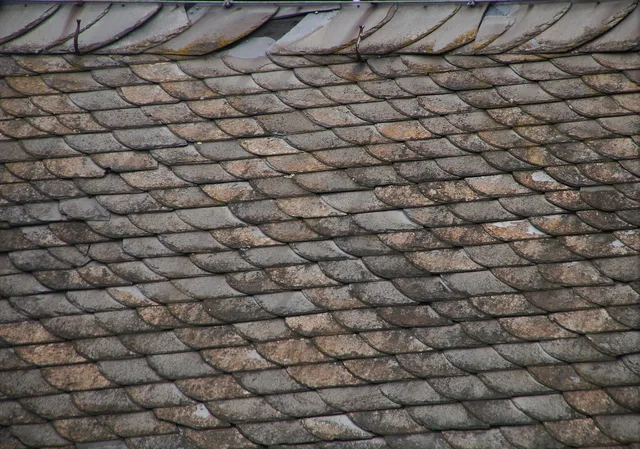
Most owners underestimate the middle rows and over-focus on materials. A slate roof is expensive because of the labor and the staging, not because slate costs more per square foot than asphalt.
Budget Categories and Volatility
Category
- Skilled labor
- Medium
- Licensed trades
- Medium
- Materials
- Low to medium
- Access and protection
- Low
- Hazard work
- High
- Professional fees
- Low
- Hidden conditions
- Very high
Volatility
- Skilled labor
- Licensed trades
- Materials
- Access and protection
- Hazard work
- Professional fees
- Hidden conditions
Why labor dominates
Old-house work is repair work. Repair is slower than replacement. Cutting out a decayed sill section and splicing in new wood takes a skilled carpenter hours. Ripping out the wall and framing new takes less time and less skill.
That gap is the whole economics of preservation. Repair-first usually costs more today and less over a building's life.
The National Park Service primer on the American wood-frame house is a good orientation to what is actually holding your house up, which in turn tells you where the expensive work lives.
Where the surprises come from
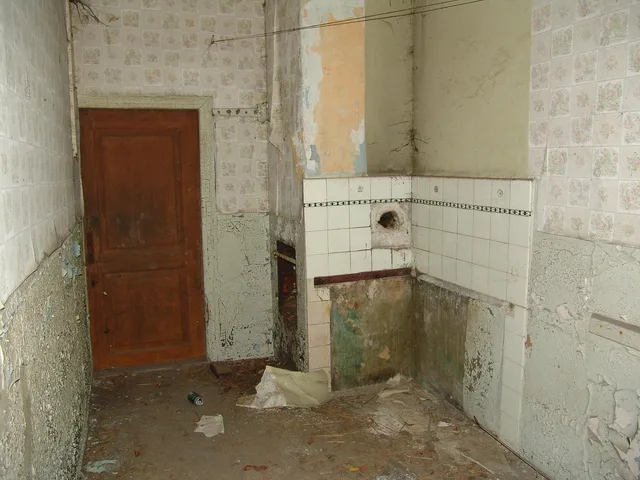
- Structural conditions revealed after demolition, particularly at sills, joist ends and porch framing.
- Water damage tracked back to a source further away than expected.
- Hazardous materials found where nobody sampled.
- Previous repairs done badly, which have to be undone before the real repair starts.
- Utilities in unexpected places, especially in houses altered several times.
Hazard work is the one category with a federal rule attached. EPA's Renovation, Repair and Painting (RRP) Rule requires anyone paid to perform work that disturbs painted surfaces in homes built before 1978 to be certified, with employees trained in lead-safe work practices. In general it does not apply to homeowners working on their own pre-1978 home, but it does apply if you rent out all or part of it. On a pre-1978 house, a bid that does not mention lead-safe practices is incomplete, not cheaper.
Each of these turns a fixed price into a change order. The defense is investigation before contract, not optimism after it. Paying for that investigation deliberately is also how a contingency gets sized to real unknowns rather than to a percentage somebody remembered.
Cost as an argument
Owners sometimes expect that a high price for repair automatically justifies replacement. Federal practice is more careful. The Secretary of the Interior's Standards for the Treatment of Historic Properties (the Standards) are applied taking economic and technical feasibility into account, but the National Park Service is explicit that feasibility considerations do not override the requirement to meet the Standards. In a review context, expense is one factor weighed reasonably, not a trump card.
For a private owner outside any program, the same logic is still useful. A cost comparison only means something when both options are priced over the same lifespan, including the second replacement. Windows are the clearest example, where a repaired sash with a storm and a new insulated unit converge once thirty years are on the page.
From categories to priced line items
Break the work into the categories above, price each separately, and keep discovery in its own reserve. In practice that runs in five steps, in this order:
- List the work by element (sills, sash, plaster, roof) and assign each item to one category in the table.
- Pay for investigation first on the rows marked high or very high: paint sampling, opening up a sill end, tracing a leak to its source.
- Get trade prices for the labor and licensed-trade rows, with access and protection priced as separate lines rather than folded into overhead.
- Price the professional fees, and the permits from your local building department, once the scope is fixed, not before.
- Set the hidden-conditions reserve last, from what the investigation did and did not reveal, and keep it out of the contract price. A sill that was opened and found sound needs little reserve; a porch nobody has looked under needs a large one.
The result is a list of line items grouped by category, each with a trade price, plus one reserve line that the contract does not touch. Setting the overall figure is covered in our guide to setting a realistic restoration budget, and the questions that keep a quote honest are in what to ask before hiring help with costs.
Common questions
Is restoration always more expensive than replacement?
What percentage of a budget is labor?
Why do scaffolding costs surprise people?
Should I price the whole house at once?
In this guide
- How to Scope and Compare Old-House Restoration BidsRestoration costs: cost comparisons work best with shared quantities, written methods, unit prices, allowances and scope differences—not just headline totals.
- Restoration Contractor Questions to Ask Before SigningRestoration contractor questions to ask before signing: how they are paid, quote exclusions, lead-safe certification, specifications and closeout terms.
- Restoration materials compared for installed cost and long-term upkeepRoofing, siding, mortar, windows and paint compared on installed cost, service life and yearly upkeep, so the cheap option can be judged over decades.
- Restoration Costs Checklist: Which Records to KeepA restoration costs checklist for old-house owners: the bids, contracts, permits, payment records, lien waivers and closeout paperwork worth keeping.
- Restoration Costs Problems: Scope Drift, Allowances, HazardsRestoration costs problems in old houses: scope drift, allowance creep, cheap coatings, and hazards you can see coming. Learn the fix for each.