Guides
Part of Old-house restoration budget categories ranked by volatility
Restoration Costs Checklist: Which Records to Keep
A restoration costs checklist for old-house owners: the bids, contracts, permits, payment records, lien waivers and closeout paperwork worth keeping.
What to take away
- Keep every receipt. Capital improvements can affect your cost basis when the house is eventually sold.
- Change orders belong in writing, signed, before the work happens. Verbal ones are the main source of disputes.
- Collect lien waivers as you pay, not at the end of the project.
- Tax questions are for your own accountant. Publicly available guidance is background, not advice.
The cost file is the least interesting part of a restoration and the part that matters most three years later. Use this restoration costs checklist to build it.
Before work starts
- The written scope, with quantities, dated.
- Every bid received, including the ones you declined.
- The signed contract, with the payment schedule and change-order rate.
- Certificates of insurance sent by the agent.
- Permit applications, approvals and fee receipts.
- Any historic district approval, with conditions attached.
Keep the declined bids. They are the evidence of what the market said at that moment, and they are useful if a dispute arises about scope.
Pre-Start Paperwork to Collect
- Written scope with quantities, dated
- Every bid received, including declined
- Signed contract with payment schedule
- Certificates of insurance from agent
- Permit applications, approvals, fee receipts
- Historic district approval with conditions
While work is under way
| Document | When to get it |
|---|---|
| Signed change order | Before the extra work starts |
| Progress invoice tied to a milestone | With each payment request |
| Lien waiver from contractor and subs | With each payment made |
| Delivery tickets for major materials | On delivery |
| Inspection sign-offs | As each inspection passes |
| Dated progress photographs | Weekly, by you |
The weekly photographs are the cheapest insurance in the list. They take five minutes and answer questions no invoice can. Shoot the same views each week so the sequence reads as a record, and photograph open walls and floors before anything closes them up.
When to Collect Each Document
- Before extra work startsSigned change order
- With each payment requestProgress invoice tied to milestone
- With each payment madeLien waiver from contractor and subs
- On deliveryDelivery tickets for major materials
- As each inspection passesInspection sign-offs
- Weekly, by youDated progress photographs
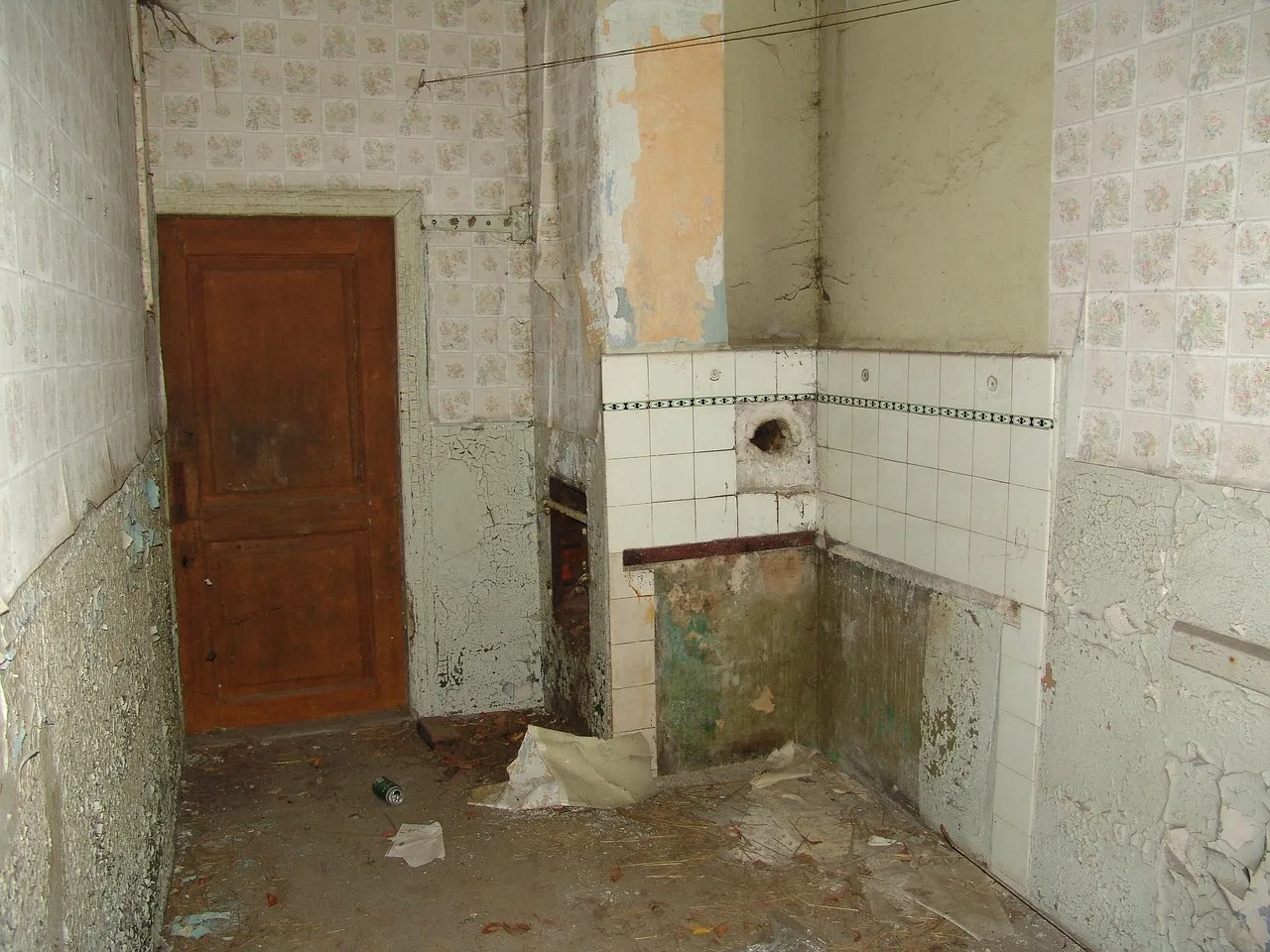
Include a tape measure or a ruler in shots of anything you may later have to match. Anything uncovered while a wall is open deserves the same treatment, because paint layers and ghost marks are evidence that disappears when the wall closes.
Lien waivers are what most owners skip. In much of the United States, an unpaid subcontractor or supplier can claim against the property even after the general contractor is paid. A waiver collected with each payment closes that exposure.
Ask for the form at the start, not at payment time. The same records are worth reading before you sign, since a contractor's lien history is public in most counties.
Records that matter later
Money spent on capital improvements can affect a property's adjusted basis. That is why the federal certification program asks owners to think in those terms.
The Park Service points applicants toward the tax side in its overview of the IRS role in the rehabilitation credit. It states plainly that this is an overview, not definitive tax advice. Take the same posture: keep records, and ask your own accountant what they mean for you.
Some owners also consider donating a preservation easement, which is a legal instrument with its own appraisal, legal and monitoring costs. The Park Service brochure on easements on historic properties explains what an easement actually restricts and for how long. It is a serious, permanent commitment and belongs in a conversation with a lawyer.
At closeout
Collect final lien waivers, warranty documents, product data sheets, and paint formulas. Collect as-built notes, the signed punch list, and the final inspection card. Scan everything into one folder named for the year, because when you sell, the file is worth real money in buyer confidence.
Budget structure behind this paperwork is in our restoration budget breakdown, and up-front money questions are in what to ask before hiring help with costs.