Maintenance
Part of Old House Projects Planning: Scope Through Closeout
The regrets that repeat across old house restoration projects
The regrets that repeat in old-house work: rushing demolition, chasing invented details, spending on finishes too early, and losing the original plan.
What to take away
- The most common regret is speed. Demolition is fast, irreversible and usually happens before anyone has looked properly.
- Adding period details the house never had ages badly and rarely fools anyone.
- Small changes add up. A house can lose its character through a dozen individually defensible decisions.
- Nobody regrets keeping something. Owners regret what went in the dumpster.
Ask people who have finished an old-house project what they would change, and the answers cluster. They are rarely about money and almost never about style. They are about sequence, restraint and week two.
Demolishing before understanding
Original doors, hardware, mantels, sash and trim leave early, while the crew clears space and no decisions are made. A month later, the owner wants them back and cannot match them at any price.
The fix is procedural: nothing original leaves the site until it is photographed, labeled and offered to storage. Put that sentence in the contract. Photographs are easier if the house was recorded properly before anyone started.
The second version of this regret is opening walls without a plan. Once plaster is down, the schedule is set by the hole rather than by the owner.
Inventing a history the house never had
Applied shutters that could never close, a Victorian mantel in a plain farmhouse, spindle work on a porch that never had any, beadboard in a room that never wore it.
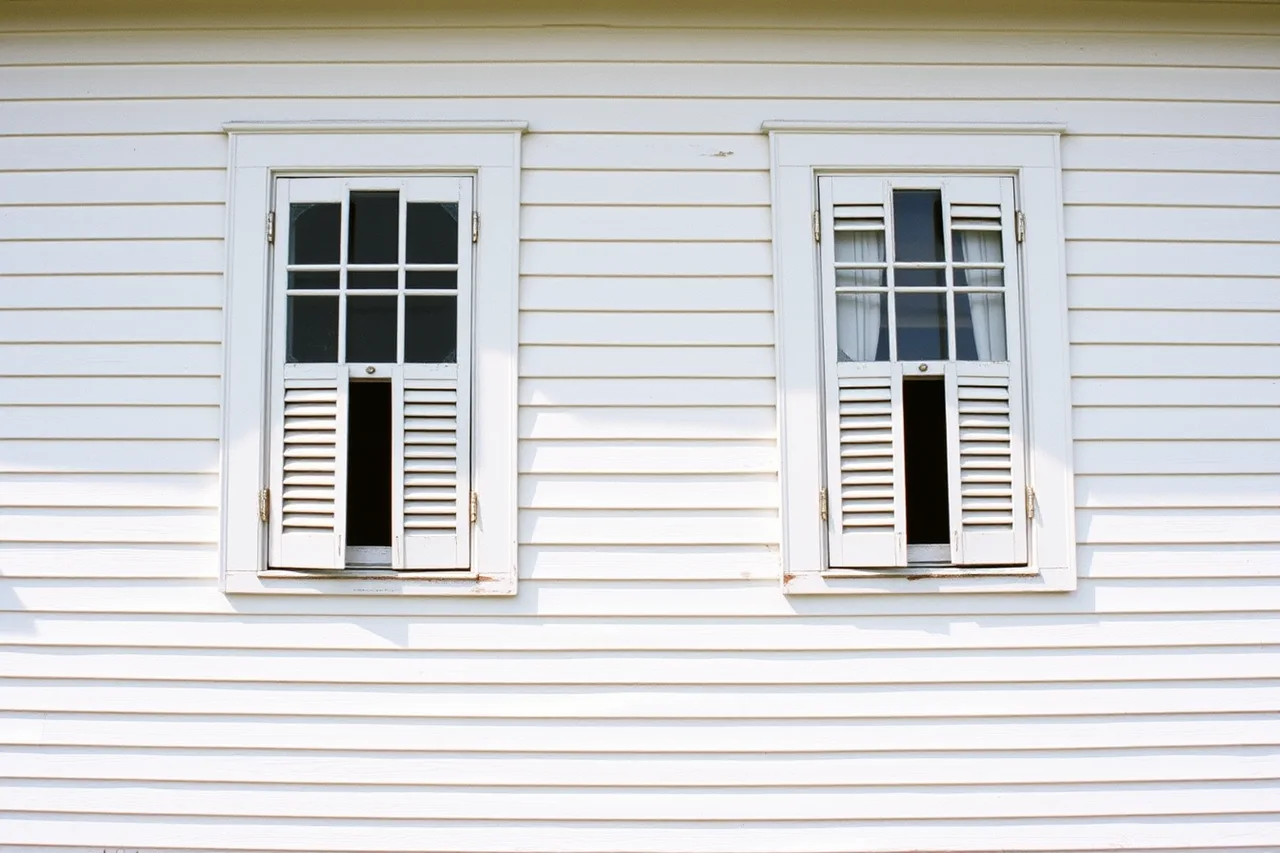
This is a recognized failure mode. The Park Service devotes a whole bulletin to alterations that lack a historical basis and why they weaken rather than strengthen a building's character.
Where evidence for a detail is missing, a plain and clearly current element usually reads better than a confident guess.
The slow loss by a thousand small decisions
Each individual change can be defensible while the total is not. Federal review treats this as a formal idea: a project is judged by the overall effect of all the work taken together. The Park Service explains that the cumulative effect determines consistency with historic character.
That same guidance makes a point that surprises many owners. There is no requirement that missing features be restored or that unsympathetic past changes be reversed. Rehabilitation accommodates change. It only asks that the total still read as the same house.
Money spent in the wrong order
| Regret | What it looked like at the time |
|---|---|
| New kitchen before new roof | The kitchen was why we bought the house |
| Refinished floors before plaster work | We wanted one room finished |
| Replacement windows before pricing repair | Everyone said they were beyond saving |
| Skipping the drainage work | It was invisible and unexciting |
| No contingency | The bid already sat at the top of the budget |
Money goes where the reward is visible. Invisible work waits until it fails loudly, then jumps the queue, by which point it has damaged the visible work too.
Sequencing is covered in our start-to-finish project guide. Bad sequencing leads to failures detailed in recurring problems and their fixes.
Losing the plan
The last regret is spatial. Owners remove a wall for light, get the light, and lose the room. Old plans are small but legible. Once two rooms become one, there is no way back without rebuilding.
Light can usually be had without the wall: most of the case for working with a small plan instead of against it. Live in the house through a full year before making a plan change that cannot be undone.