Guides
How to read an old interior: what to look at first and how to record it
A method for reading alterations in an old interior in order: floor, wall and junction evidence, ghost marks, paint layers, and how to record what you find.
An old interior is a stack of campaigns. Almost everything you need to date them is visible without touching anything.
Look at paint layers on a chipped edge, a shadow where something stood, a floorboard patch, a hinge that does not match its neighbor. Each is physical evidence, and together they tell the order of events even when no document survives.
This page is about how to read those traces. It describes methods, not buildings, and identifies no property.
What to take away
- The order of alterations is usually easier to establish than the dates, and it is often more useful.
- Ghost marks, the shadows left by removed elements, are the single most informative feature in an altered room.
- Hardware and joinery date a room more reliably than decoration, because decoration is the part most often renewed.
What to look at, in order
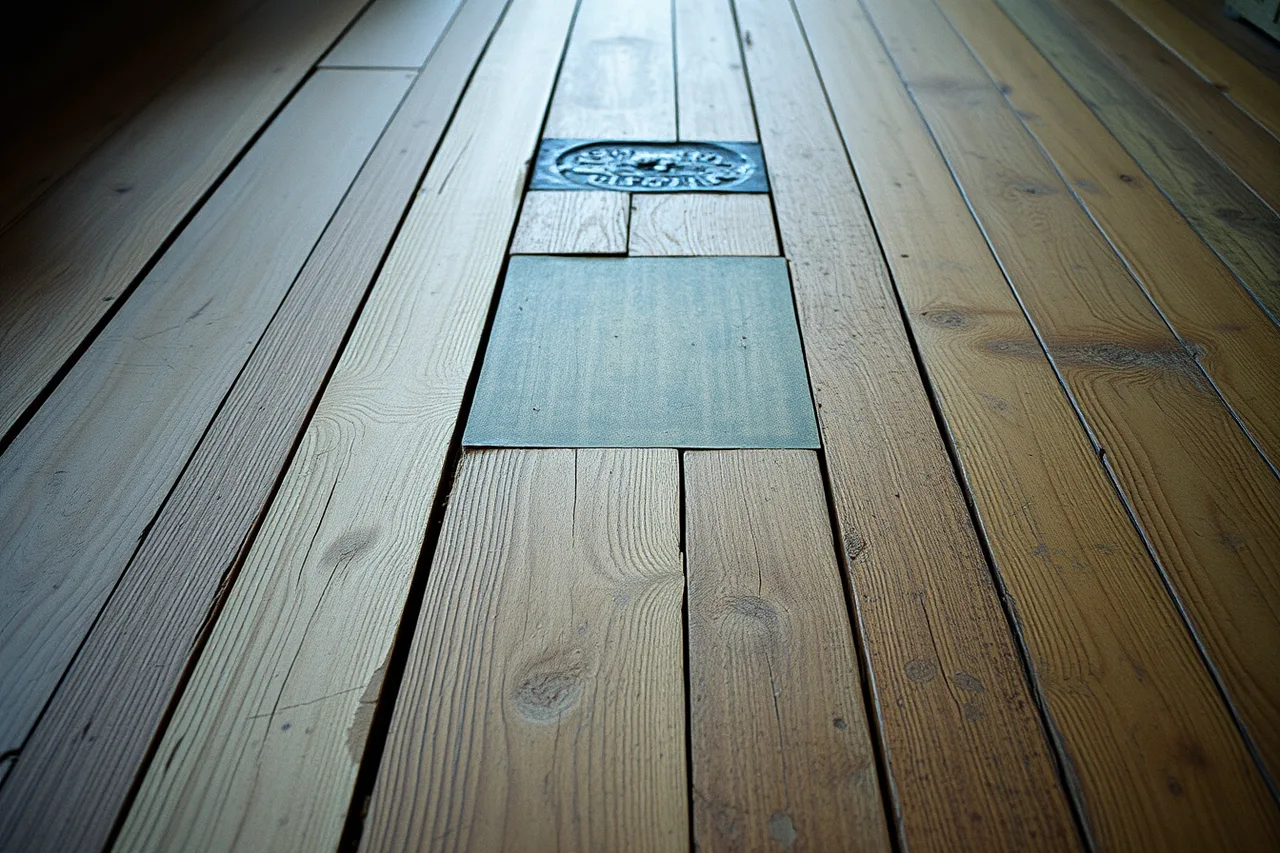
The floor. Boards change width, species and fixing method between campaigns. A patch marks where a wall, a stair, a hearth or a service run used to be. Wear patterns show where doors were and where people walked, which sometimes contradicts the current plan entirely.
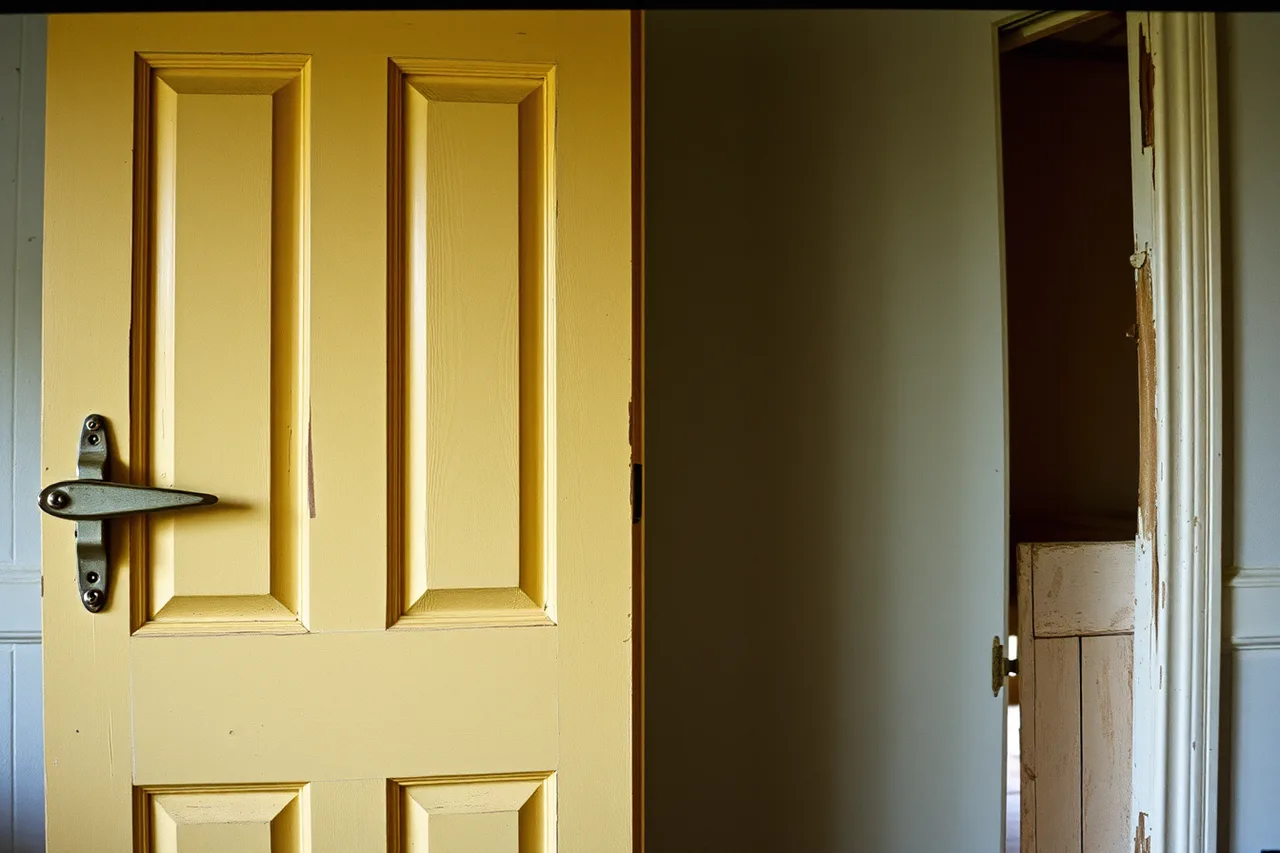
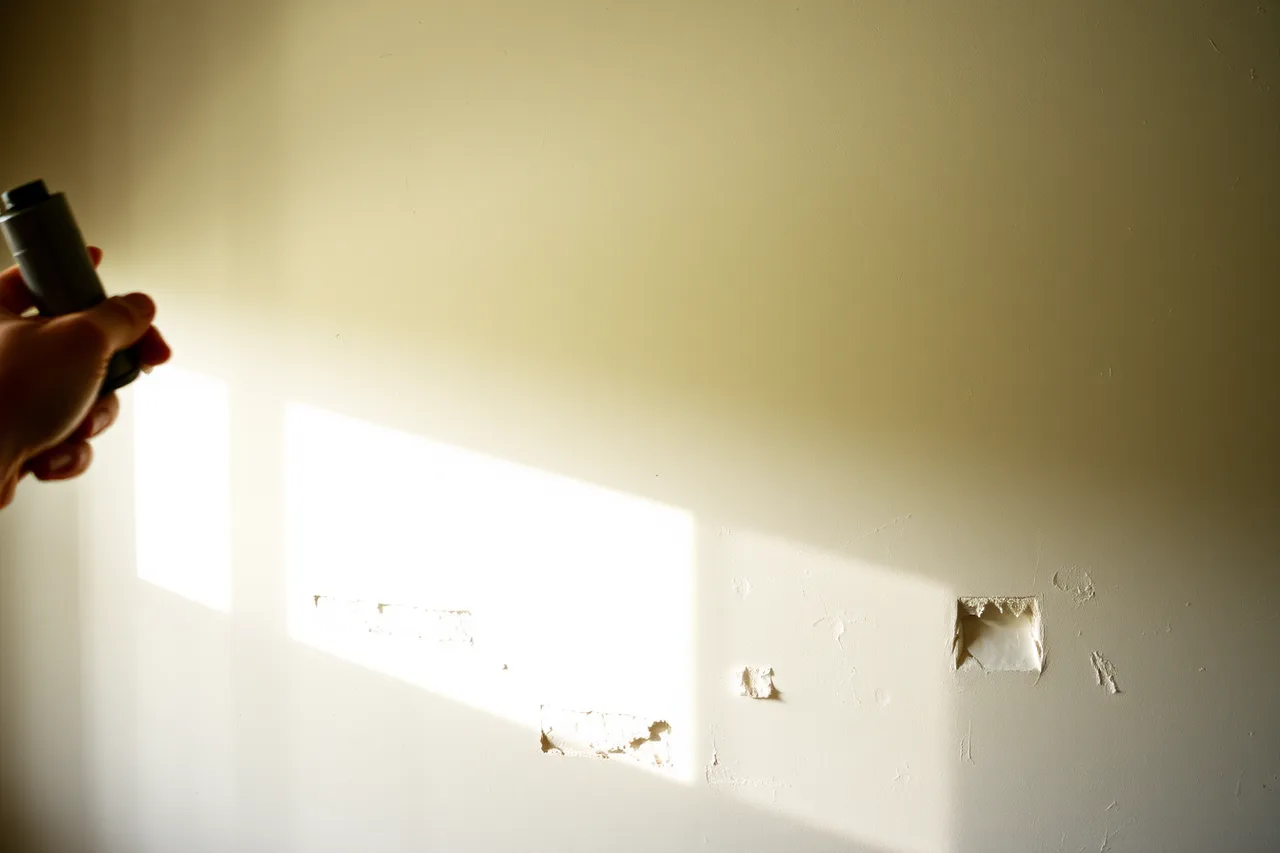
The walls. A ghost mark is a difference in surface where something was removed: a chair rail, a chimney breast, a partition, a fitted cupboard. Raking light across a wall reveals them. In a room that has been repainted many times, the ghost stands slightly proud or slightly hollow.
The junctions. Where a molding meets a wall or a door meets a floor is where alteration shows. A skirting that runs behind a partition means the partition is later. A cornice that stops at a wall means that wall was inserted.
The openings. Door and window heads at different heights in the same room are different campaigns. A door leaf that does not match its frame has been moved or replaced. A blocked opening leaves a flat patch, often visible in raking light and almost always visible on the other side.
The hardware. Hinges, latches, catches and screws changed in identifiable ways over time. Hardware is small, cheap and often survives when everything around it is replaced, which makes it good evidence.
The paint question
Paint layers are the closest thing an interior has to stratigraphy: successive campaigns lie on top of each other in order. At a chipped edge or a scratch you can sometimes count them and see a color sequence.
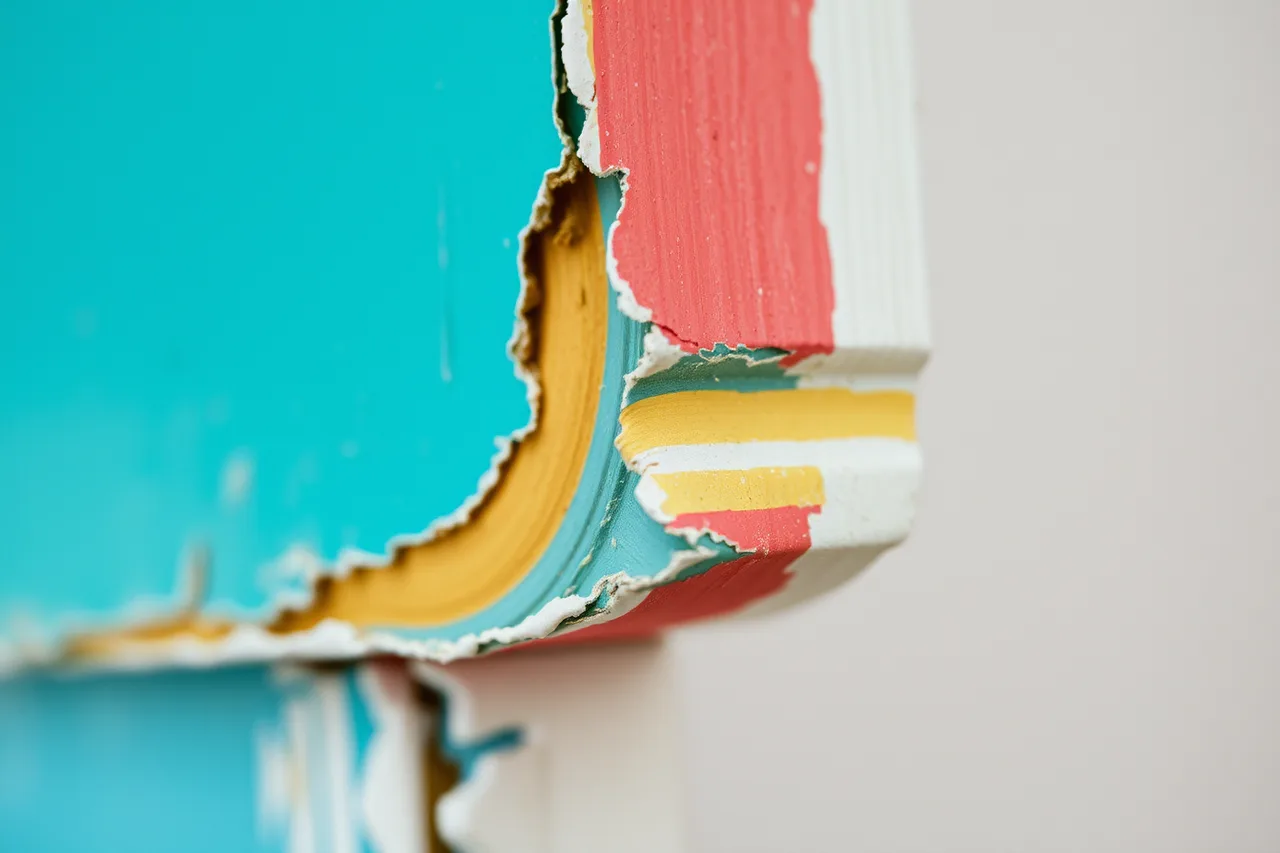
That gives you a sequence, not a date. Correlating layers to dates is lab work on samples by people trained to take them. Inferring a date from a color at a chip is not research.
From a chip, the useful conclusion is that this element was here before that campaign and that one arrived after.
The systematic way to walk a building and record what gives it its character, at three scales, is set out in Preservation Brief 17 on identifying visual character. It is written as a checklist and works as one.
Recording what you find
| Record | Why it matters later |
|---|---|
| A sketch plan with the evidence marked on it | Spatial relationships are what establish sequence |
| Photographs in raking light | Ghost marks disappear in flat light |
| The specific location of each observation | An undated, unlocated note is not evidence |
| What you inferred, separately from what you saw | The two get merged in memory within weeks |
| What you could not determine | The unresolved question is the useful part next time |
The habit that separates useful recording from wasted time is keeping observation and inference apart on the page. A note saying that the skirting runs behind the partition is an observation. A note saying that the partition is later is an inference from it, and a good one, but they are different kinds of statement.
Where documents meet fabric
Physical evidence gives order. Documents give dates. Permit records, survey files and designation reports supply the dates that turn a sequence into a history, and the way that record is structured is set out in the National Register database and how to search it.
The exterior reading, from mass, roof and junctions, is in former lives of buildings and the anatomy of a large house. What the historic plan arranged, and why service rooms look as they do, is in the two houses under one roof.
How structure limits what an interior could have been is in architecture and interiors.
Common questions
Can I date a room from its moldings?
To a period, roughly, and with caution. Profiles were revived and reproduced, and a molding is one of the easiest things to replace. Treat it as supporting evidence rather than as a conclusion.
What does a chimney breast that has been removed look like?
A flat area of wall with a slight difference in plane, often with a ghost of the original at the ceiling and a patch in the floor. In the room above, the same evidence usually appears in the same position.
Is it worth scraping paint to see the layers?
Not on a building that matters, and not without permission. Look at existing damage instead. Deliberate sampling is a specialist job done under a method, and casual scraping destroys the evidence it is trying to read.
How do I tell an old repair from an original feature?
By whether it matches the campaign around it in material, fixing and workmanship. A repair usually differs in at least one of those, and the difference is the point at which the building tells you something.